
Photography tips
Using depth of field creatively
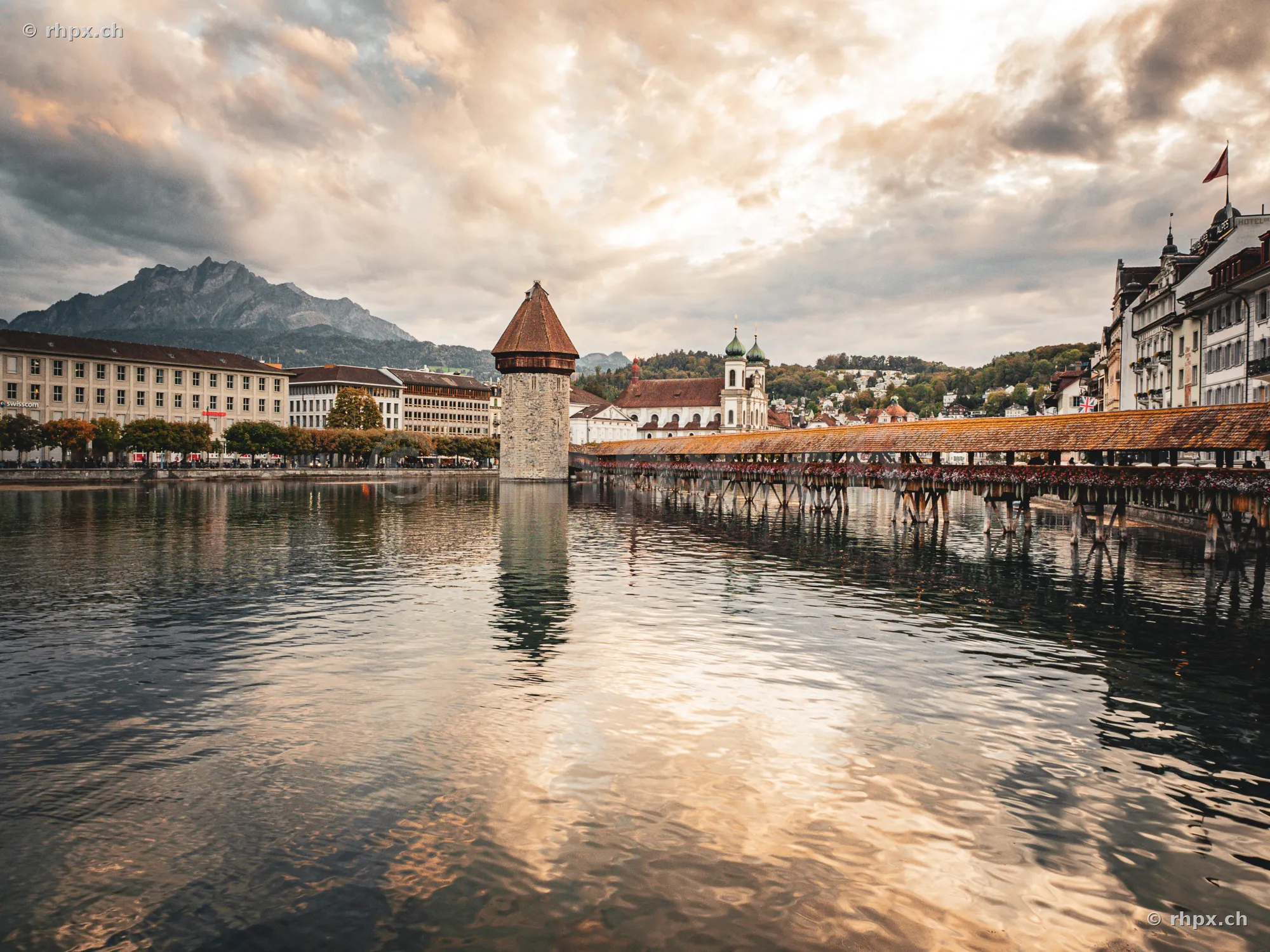
Controlling Depth of Field
The choice of aperture significantly determines how sharpness is distributed in your image from foreground to background. By consciously adjusting your aperture settings, you control the range that appears sharp and set accents within your composition.
Precision in the Close-up Range
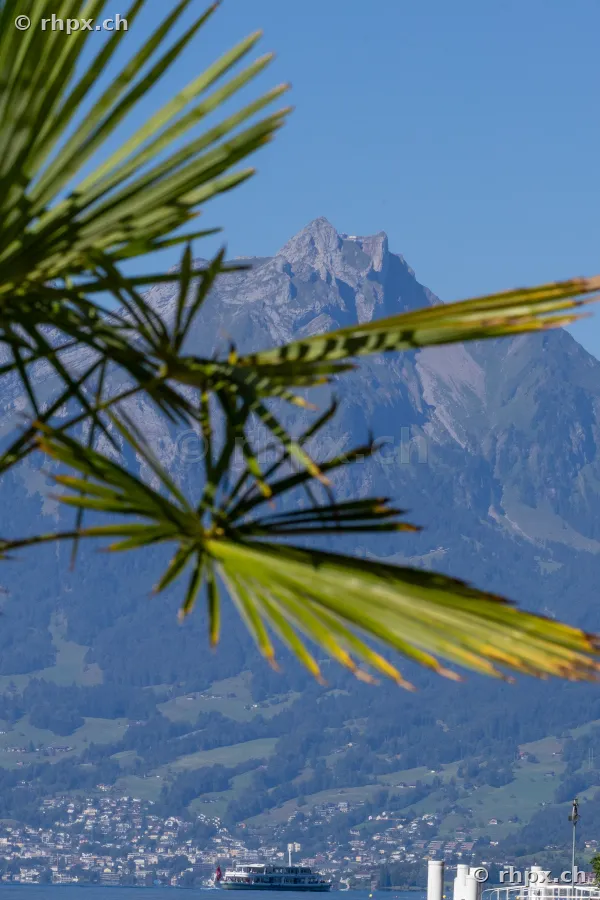
When you combine foreground objects, such as flowers or building details, with a distant background, a high depth of field is essential. A closed aperture ensures that both near elements and the distant subject remain rich in detail.
Consistent Image Sharpness in Architecture
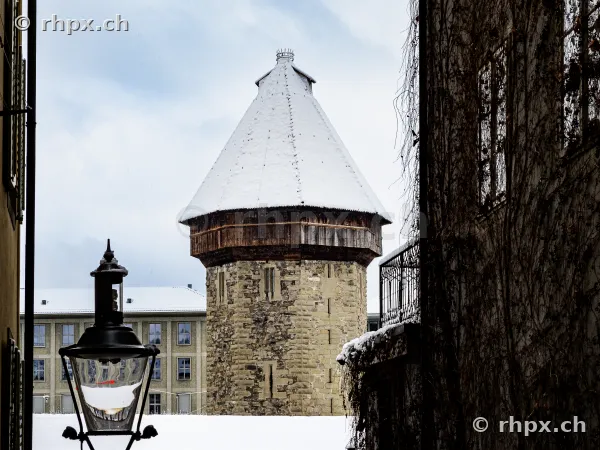
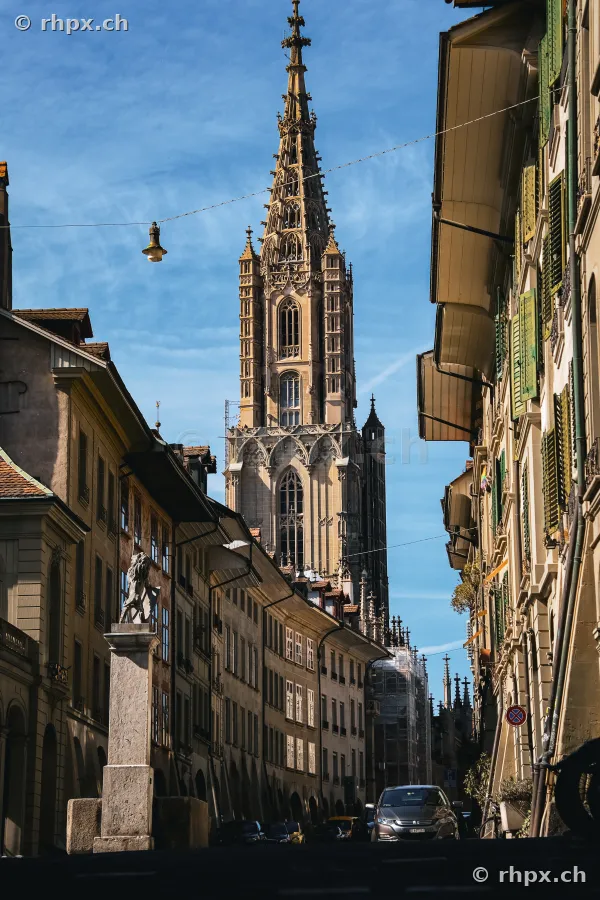
When photographing architecture, a small aperture ensures that entire buildings or alleyways remain sharp from the first to the last plane. This allows for an objective representation of complex structures, where no detail loses definition.
How using depth of field changes your photography
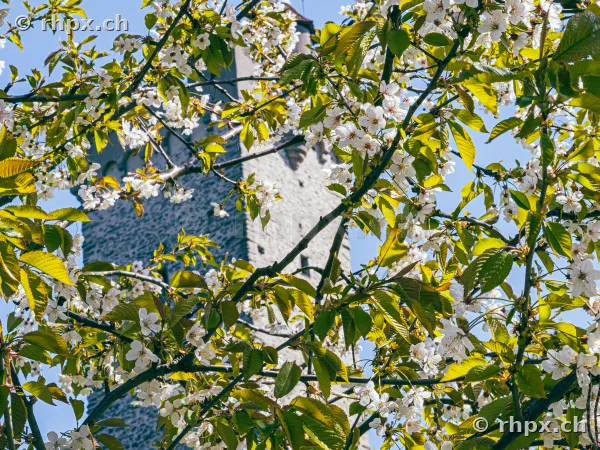
Connecting image planes
By selecting a closed aperture, you connect near foreground details directly with the background. This creates a consistent sharpness that leads the viewer's gaze across the entire depth of the subject.
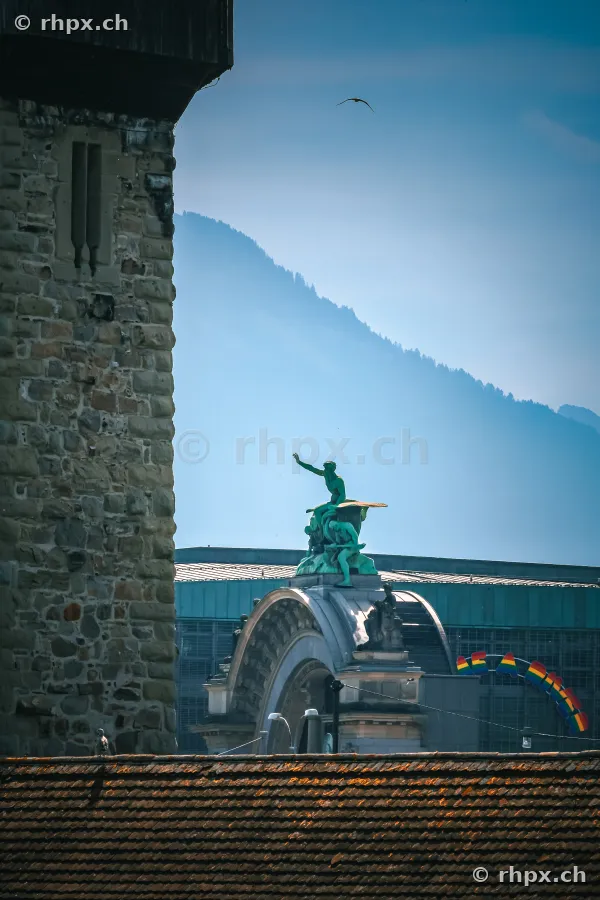
Capturing architectural details
A small aperture is essential for architectural subjects to keep both nearby elements and distant parts of the building in focus. This keeps the spatial structure of the subject clear and precisely defined.
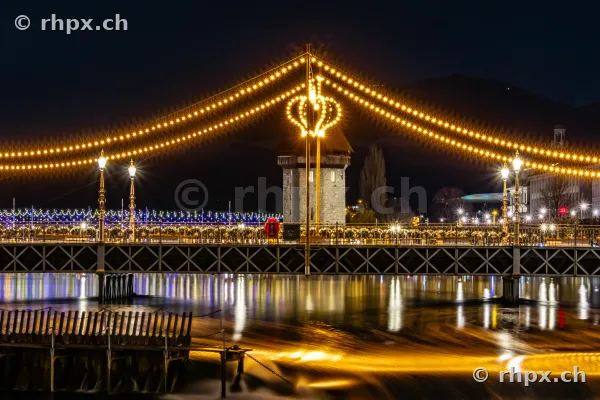
Light and sharpness
In fading light, maintaining depth of field requires a conscious balance of settings. The choice of the correct aperture influences how clearly defined light points, such as those on chains or objects, are rendered.
Three concrete examples

Key tips
- Use a closed aperture starting from f/11 for wide-angle or architectural shots to ensure foreground and background are sharp throughout.
- Utilize a small aperture up to f/22 to maximize depth of field across the entire distance of the subject, provided the light allows.
- Choose a closed aperture consciously in difficult lighting conditions to maintain the necessary depth of field across different image planes.
Photographs on this topic
3 photographs with tips
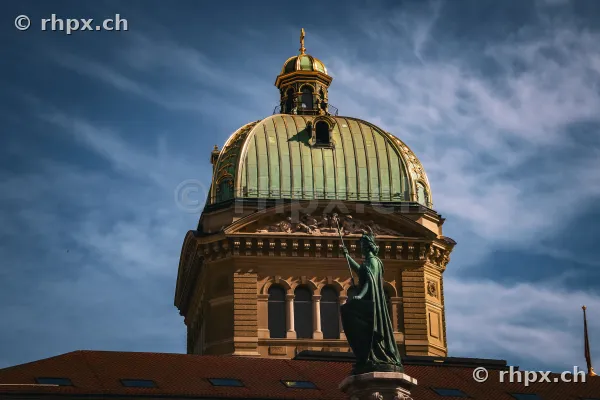
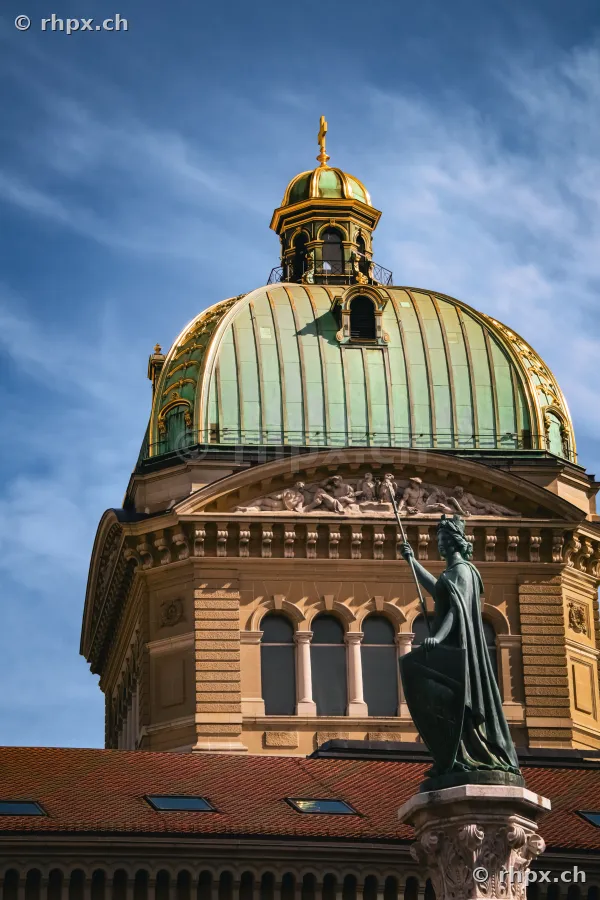
The exact camera settings for each shot are shown below it - a starting point for recreating the look yourself. Click through to a photograph for detailed photography tips on that specific shot, under "Photography tips for this image".
Related topics