
Photography tips
Photographing evening light
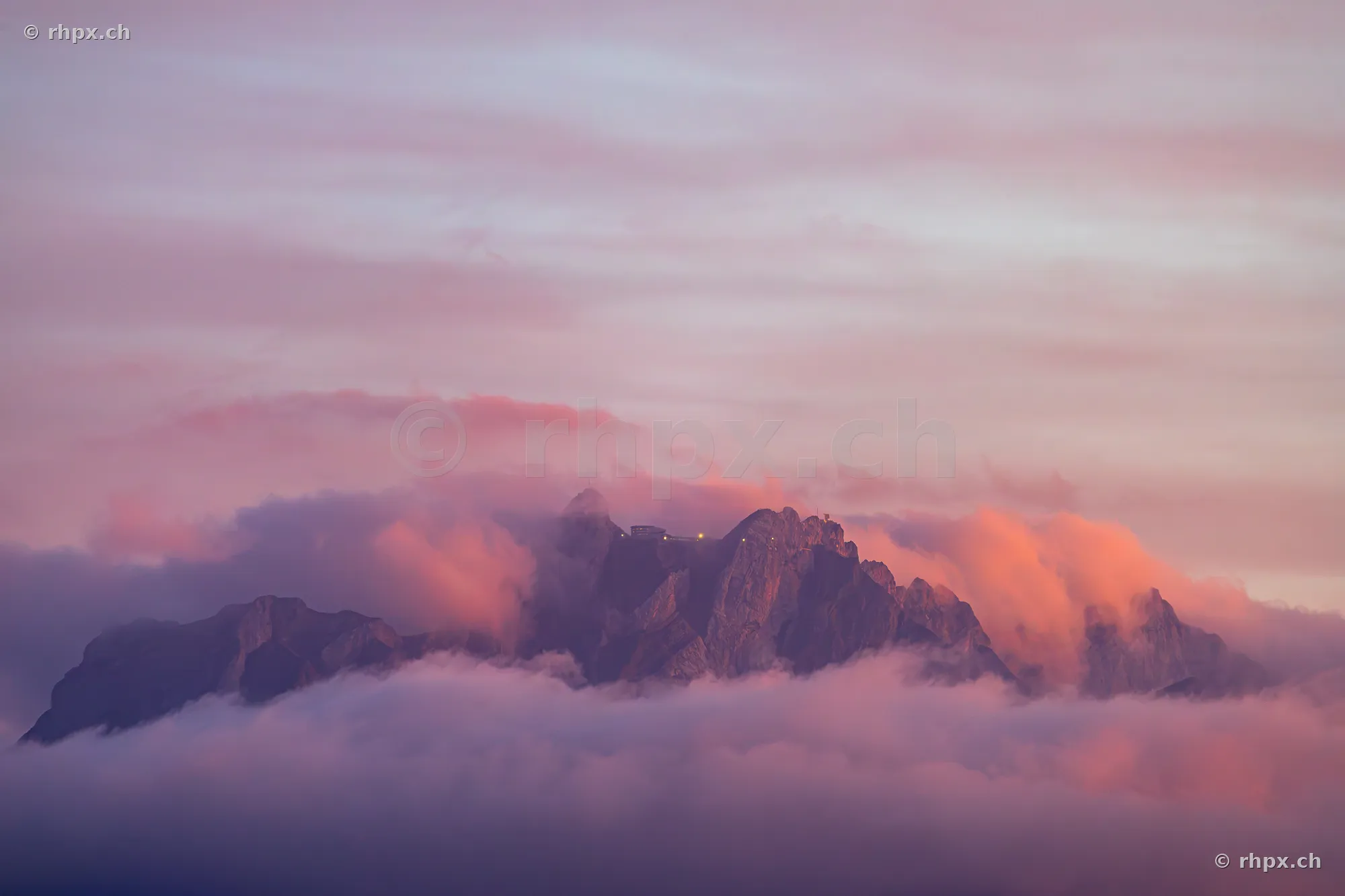
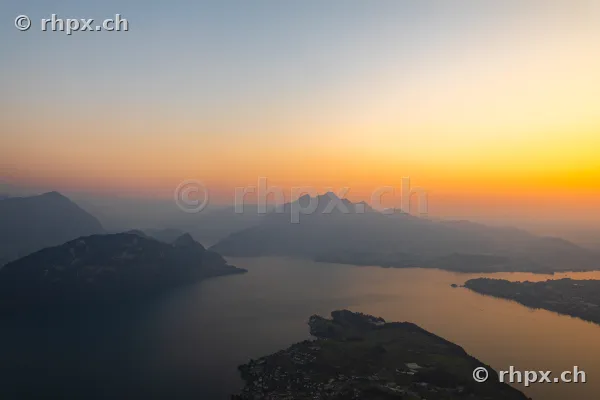
Photography during the golden hour is characterized by a low sun angle. This significantly changes the representation of surface textures and influences the overall color effect of the subject.
Light and Contrast
The lighting conditions require precise exposure control to preserve both highlights and details in the shadows. The shallow angle of incidence emphasizes textures and contours on structures or in natural environments.
Technical Parameters
Selecting appropriate ISO values and shutter speeds is essential to ensure high image quality and short exposure times despite decreasing light. It is important to monitor the highlights to capture the atmospheric mood accurately.
What photographing in evening light changes
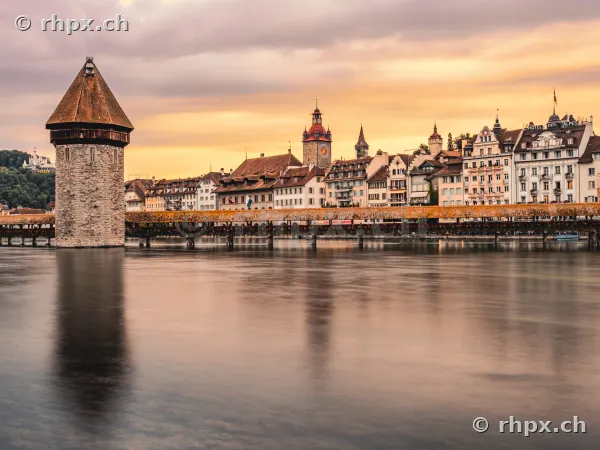
Emphasizing textures
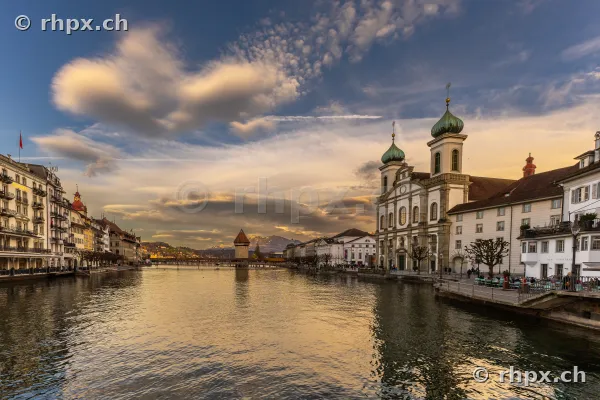
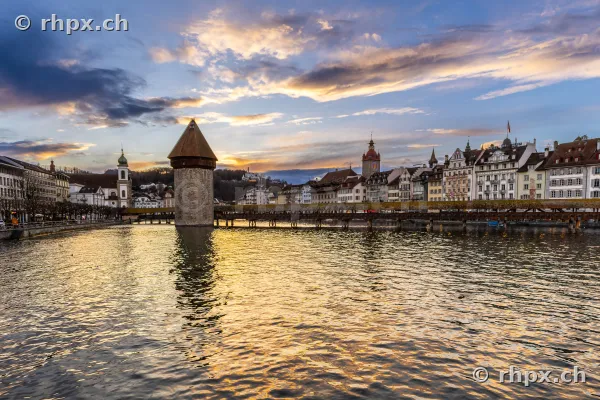
Evening light hits surfaces at a shallow angle, which emphasizes structural details. This makes textures of wood, snow, or historical facades appear particularly three-dimensional.
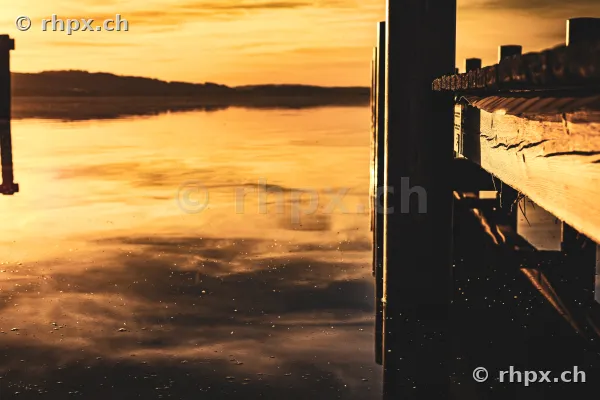
Managing contrasts
The lighting atmosphere creates distinct contrasts between illuminated surfaces and shaded areas. Accurate exposure is necessary to preserve details in both zones.
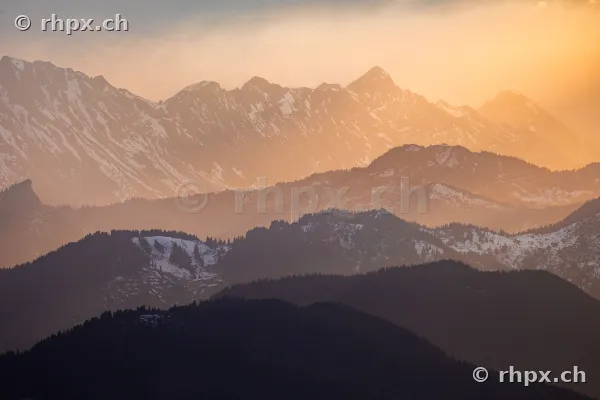
Adjusting image quality
As the light fades, control over ISO settings and shutter speed becomes increasingly important. Low ISO values are critical to minimize noise and maintain high quality standards.
Three concrete examples
Key tips
- Keep the ISO value low to ensure high image quality without digital noise.
- Pay attention to exposure in the bright areas to preserve the atmospheric mood.
- Use a wide aperture to capture enough light for the exposure as ambient light decreases.
Photographs on this topic
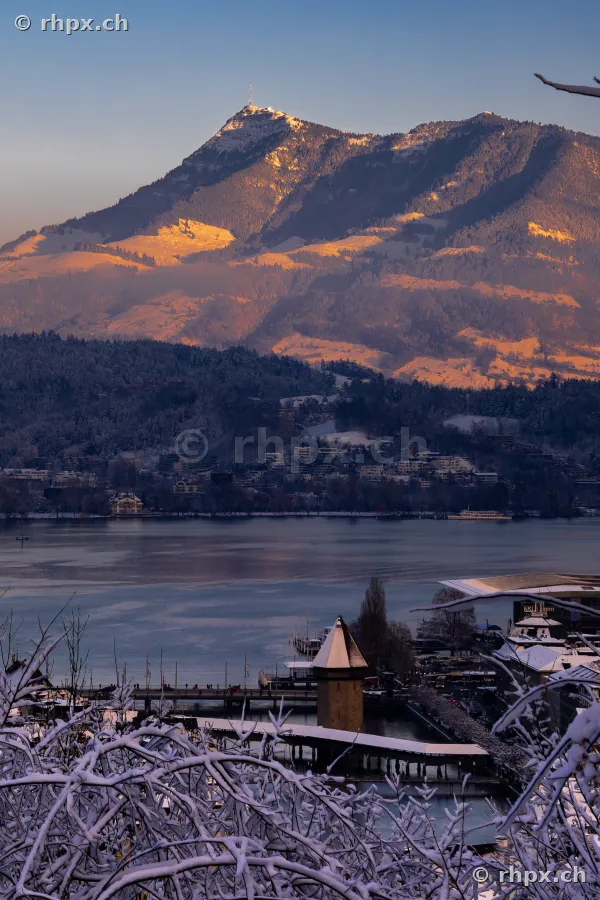
1 photograph with tips
The exact camera settings for each shot are shown below it - a starting point for recreating the look yourself. Click through to a photograph for detailed photography tips on that specific shot, under "Photography tips for this image".
Related topics