
Photography tips
Photographing Lucerne
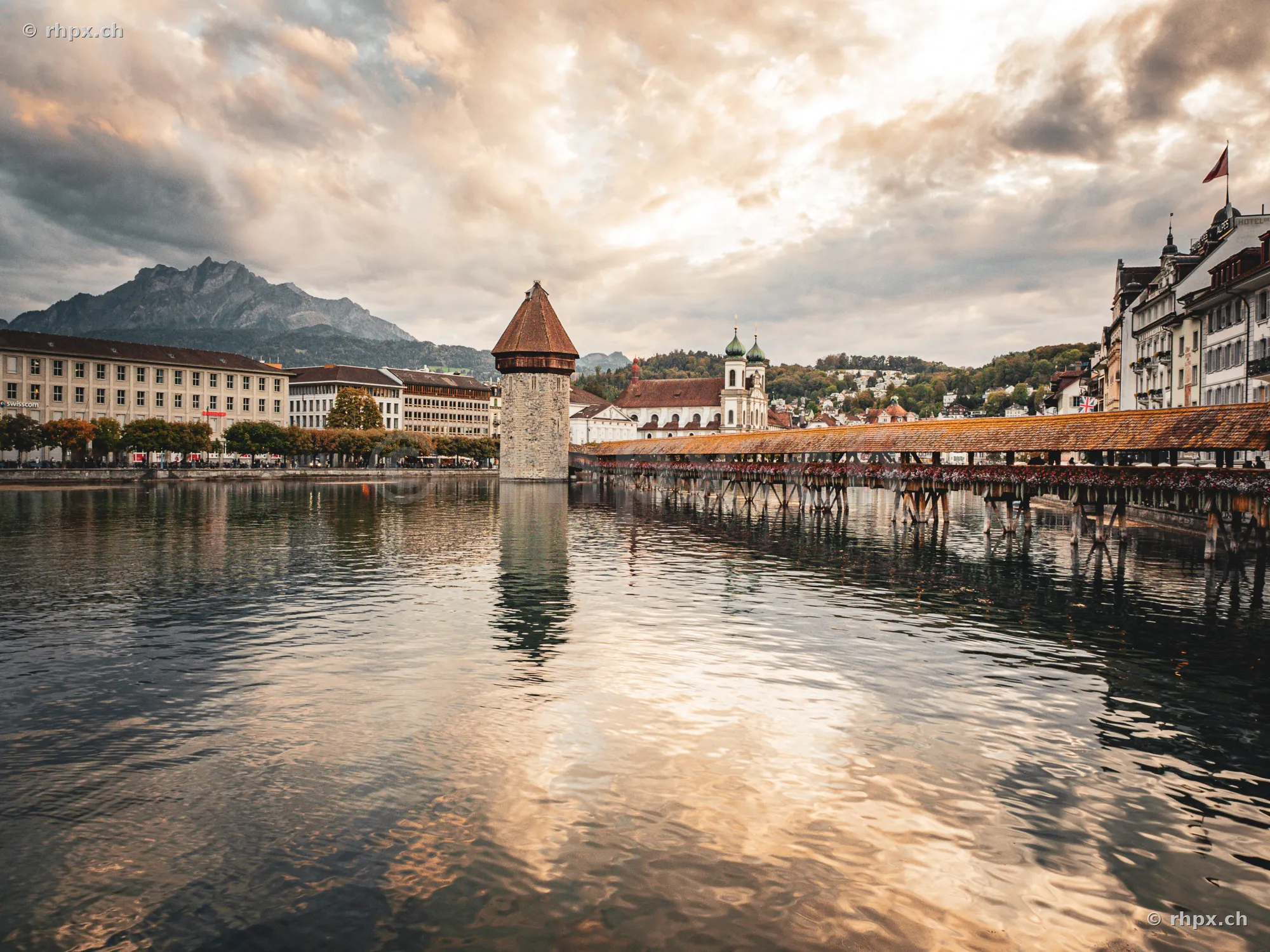
Lucerne offers a complex backdrop for photography due to its topographical position between the lake and the mountains. Handling the contrasts between urban architecture and expansive landscape requires a precise choice of technical means to capture the spatial dimension of the Lucerne lake basin.
Composition and Architecture
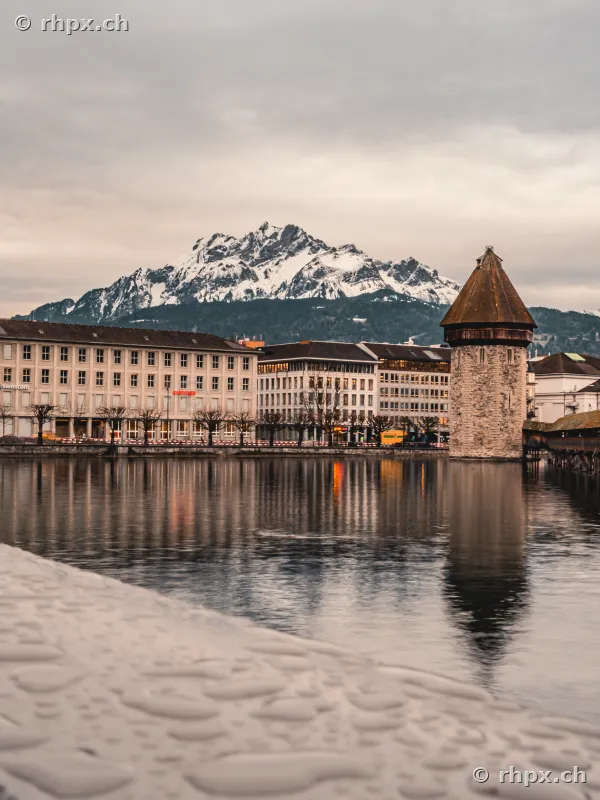
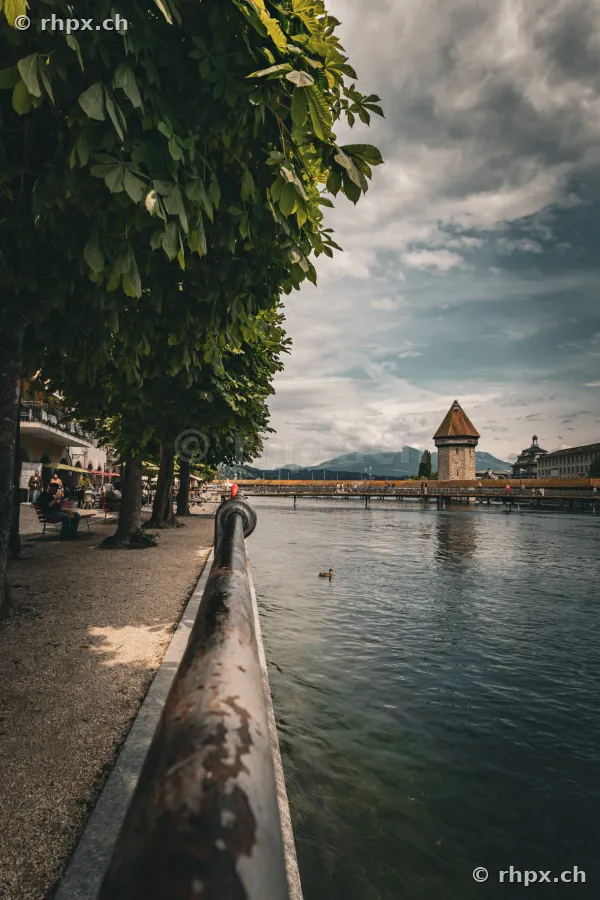
The urban structure of Lucerne with its distinctive buildings allows for clear lines in the image. Through the targeted placement of architectural elements in the viewfinder, you create a structure that guides the viewer's gaze and reduces the clutter of a busy environment.
Panorama and Wide Angle
When capturing the expansive landscape around Lake Lucerne, the choice of focal length is decisive. A wide-angle lens allows you to capture the entire width of the scenery in a single image, which is necessary when documenting the city roofs or the shoreline.
How photographing Lucerne changes things
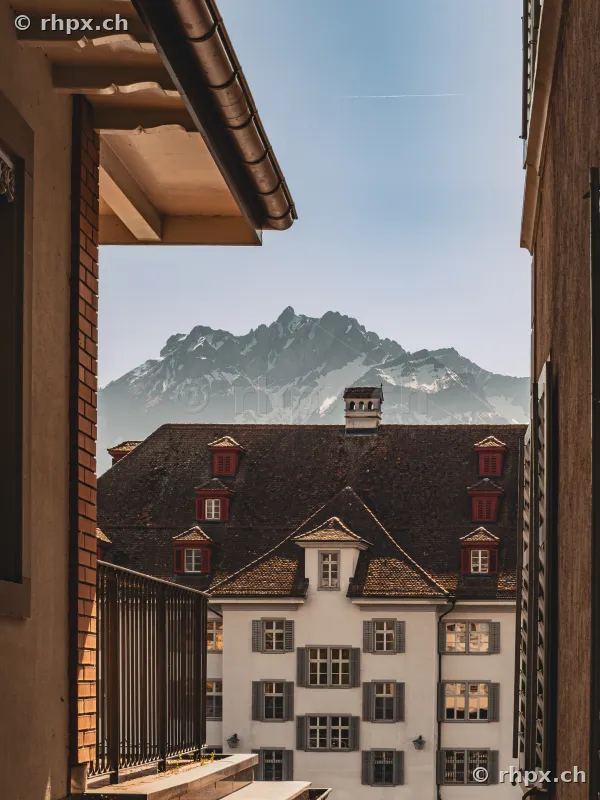
Spatial Depth
By using focal lengths between 2 mm and 400 mm, you significantly influence the depth effect of your shots. A short focal length stretches the foreground and integrates the wide landscape into the overall image.
Light Management
The choice of aperture from f/1.8 to f/40 is decisive for exposure under various lighting conditions. At twilight or with night lighting, an open aperture ensures that sufficient light reaches the sensor.
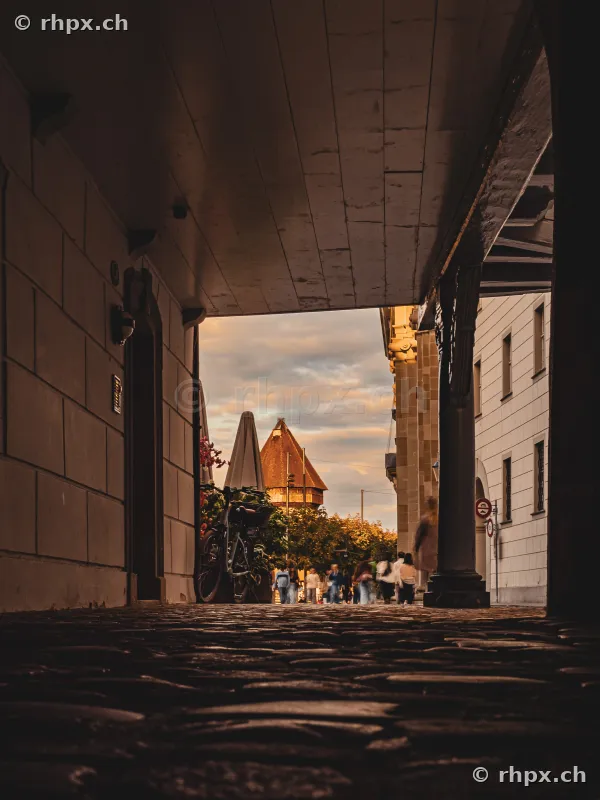
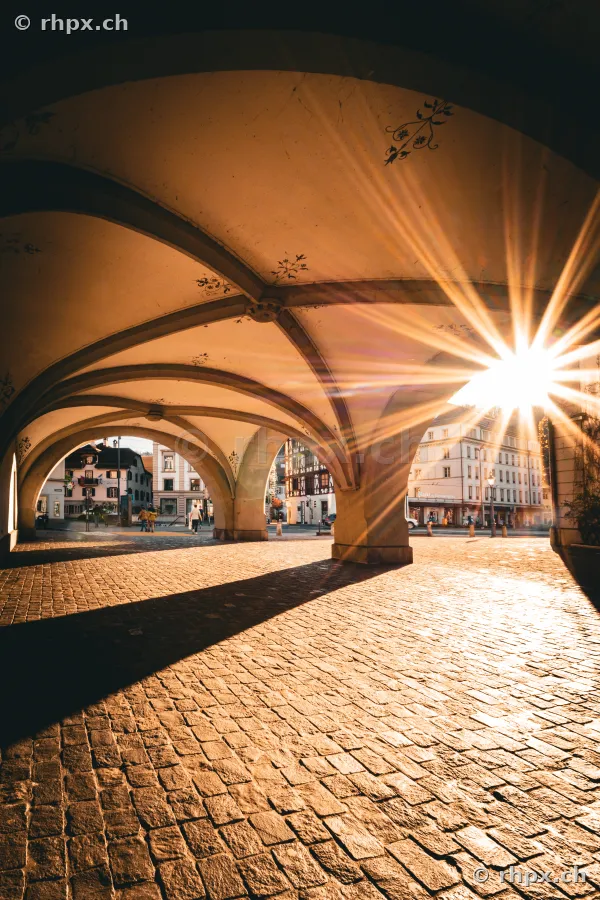
Image Composition
By deliberately placing distinctive buildings within the composition, you organize the complex geometry of Lucerne's architecture. This helps to focus on central urban features and achieve a calm visual effect.
Three concrete examples

Key tips
- Use a short focal length to capture the panorama of Lucerne comprehensively.
- Utilize a wide-angle lens to capture the full width of the illuminated scenery in the lake basin.
- Select an open aperture to ensure sufficient light when photographing the city's rooftops.
Photographs on this topic
10 photographs with tips
The exact camera settings for each shot are shown below it - a starting point for recreating the look yourself. Click through to a photograph for detailed photography tips on that specific shot, under "Photography tips for this image".
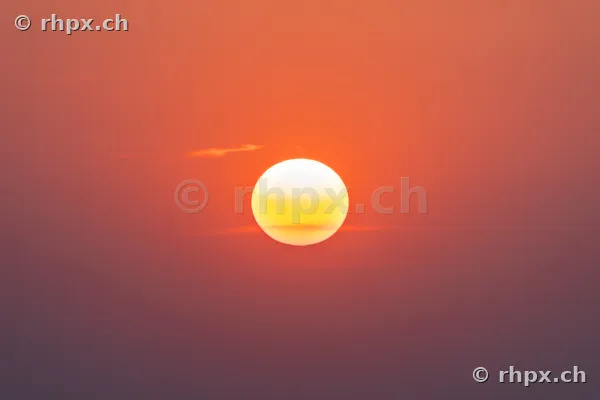 400 mm · f/8 · 1/400 s · ISO 400
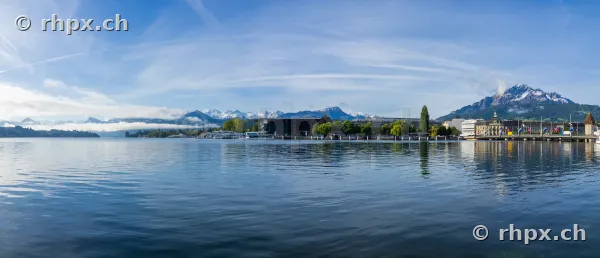 12 mm · f/16 · 1/160 s · ISO 200
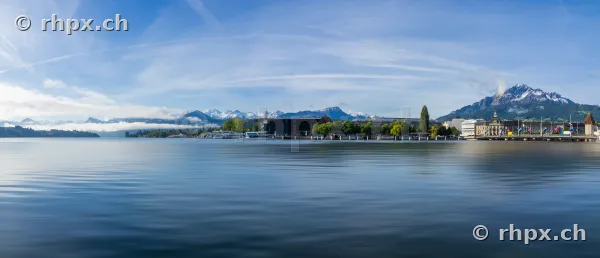 12 mm · f/16 · 1/160 s · ISO 200
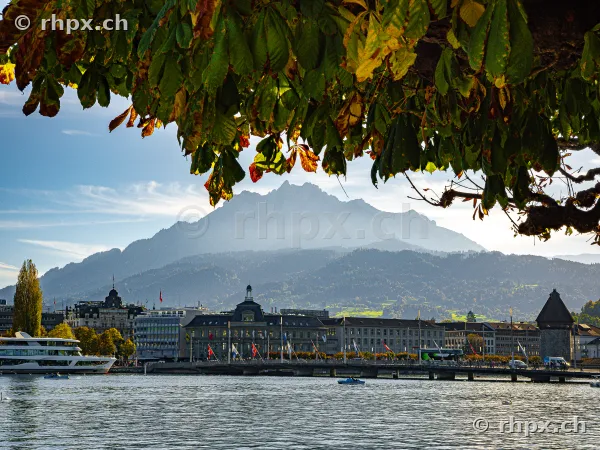 29 mm · f/13 · 1/200 s · ISO 200
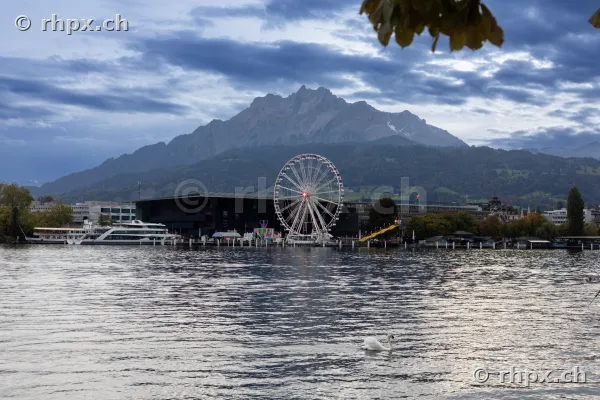 50 mm · f/5.6 · 1/200 s · ISO 100
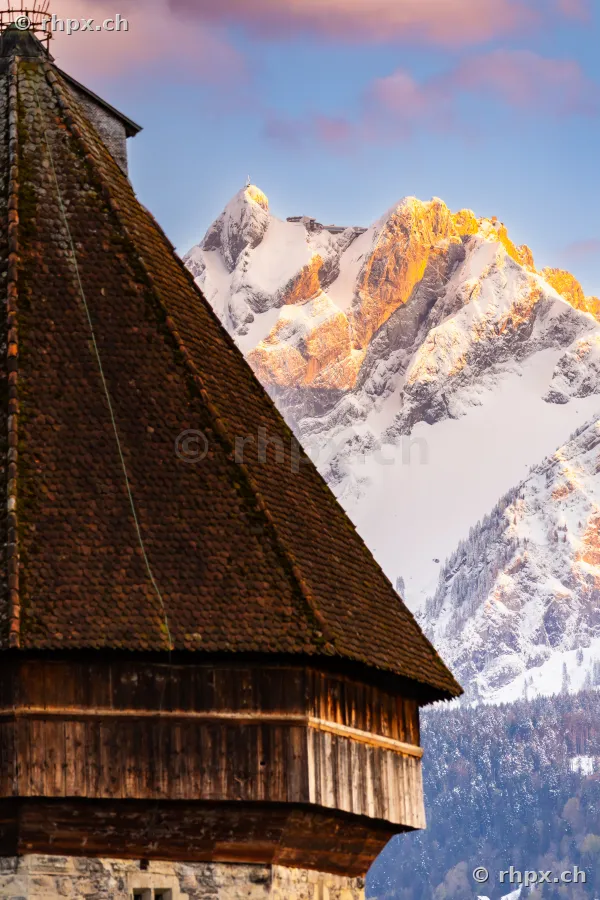 300 mm · f/8 · 1/125 s · ISO 400
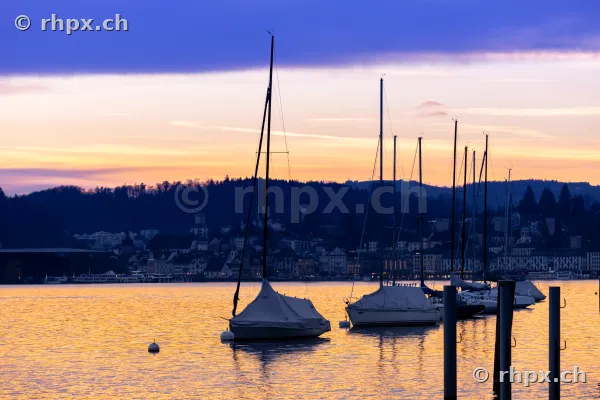 200 mm · f/8 · 1/125 s · ISO 800
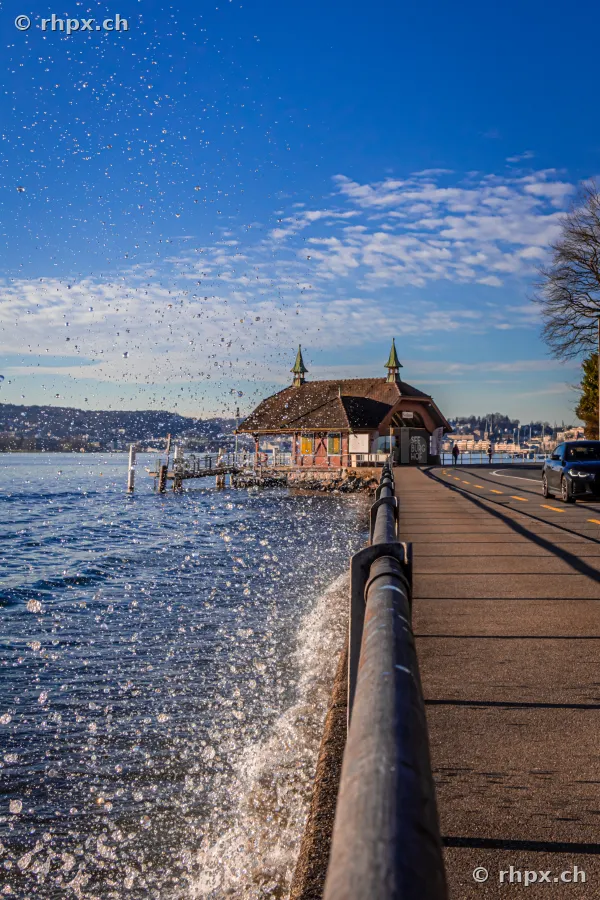 22 mm · f/7.1 · 1/1600 s · ISO 400
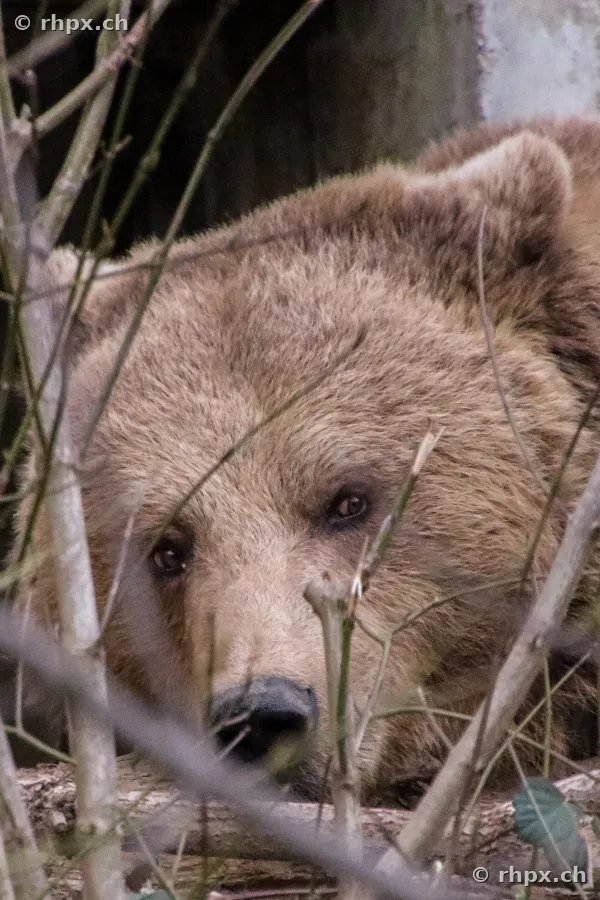 400 mm · f/6.3 · 1/500 s · ISO 6400
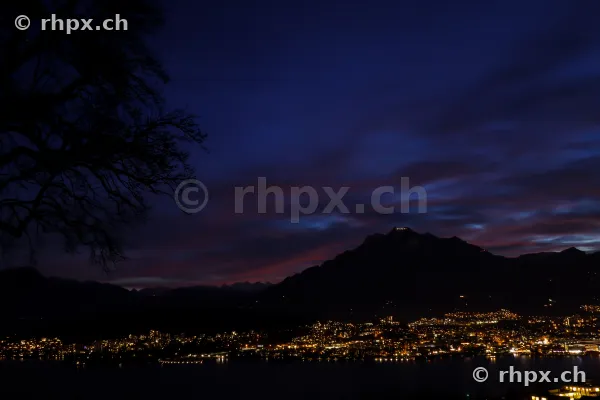 22 mm · f/16 · 30 s · ISO 400
Related topics