
Photography tips
Night photography
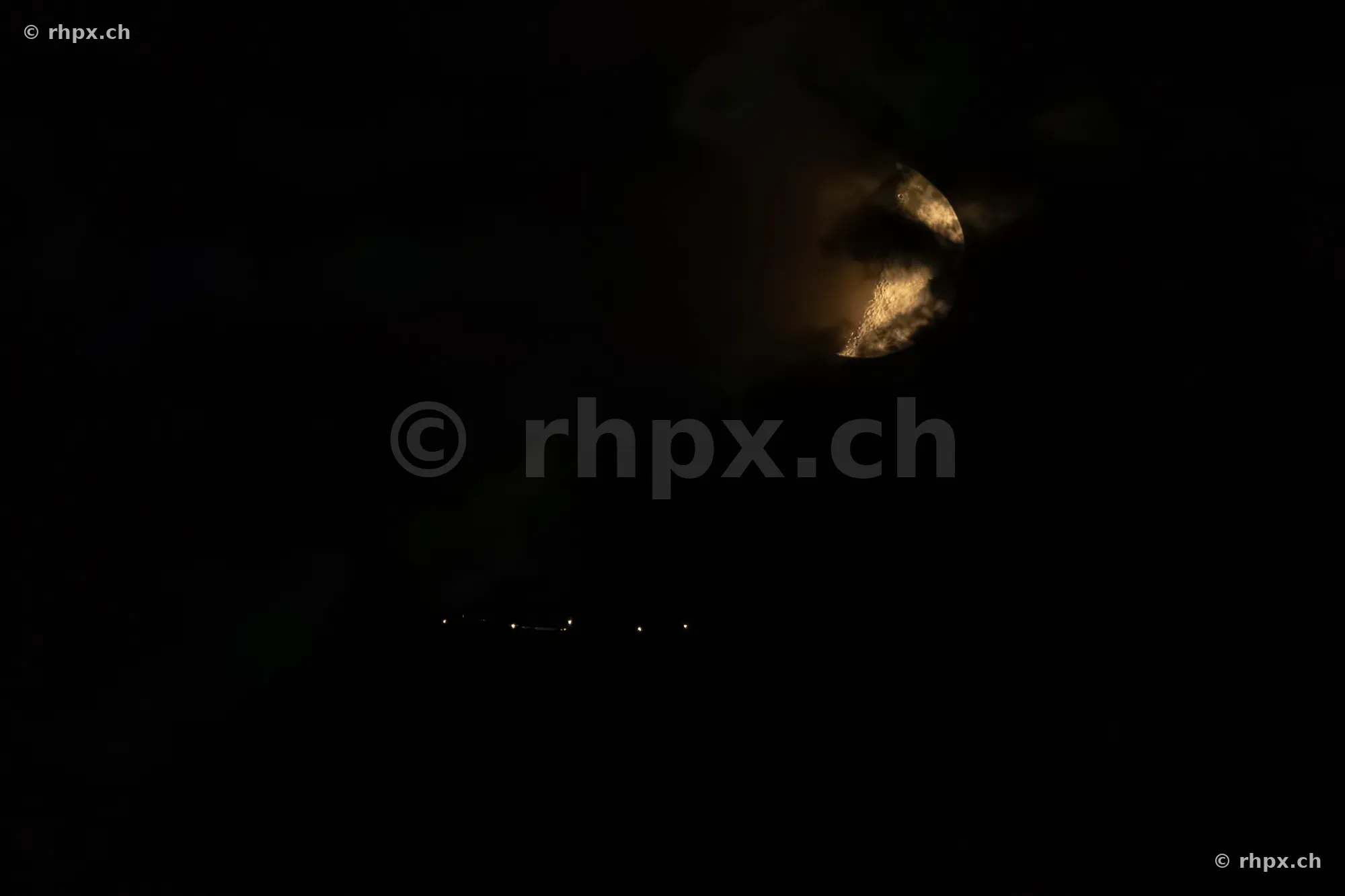
Night photography requires precise adjustment of exposure parameters, as the limited ambient light significantly influences technical composition. In urban environments, such as photographing illuminated facades or light installations in Central Switzerland, the focus lies on controlling light quantity and image noise.
Light quantity and aperture selection
The choice of aperture in night photography determines how much light reaches the sensor and the depth of the image. While wide apertures optimally utilize the scarce light, medium aperture settings allow for greater detail when capturing architectural subjects.
Controlling time and sensor
Shutter speed affects both the capture of light reflections and the prevention of motion blur. By specifically adjusting the ISO value, you establish a balanced ratio between the necessary light sensitivity and clean image quality.
What night photography changes
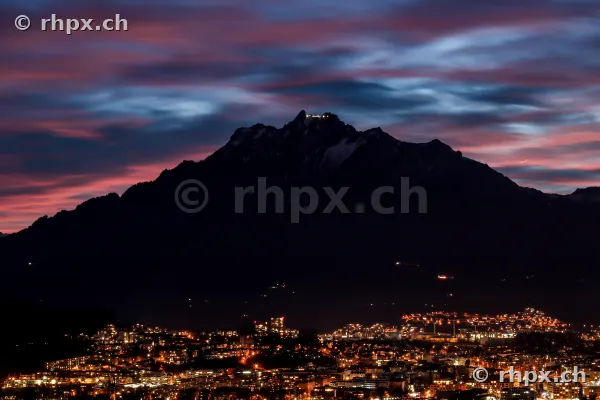
Light capture and aperture
A wide aperture is essential to efficiently direct limited ambient light onto the sensor. For complex subjects like illuminated buildings, a medium aperture also ensures the necessary depth of detail.
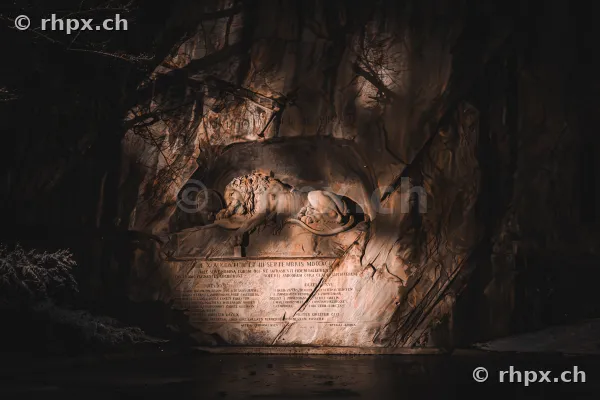
Exposure time and dynamics
The shutter speed determines how sharply details of light installations or reflections on water are rendered. Longer times allow for the capture of fine structures, while short times prevent motion blur during handheld shots.
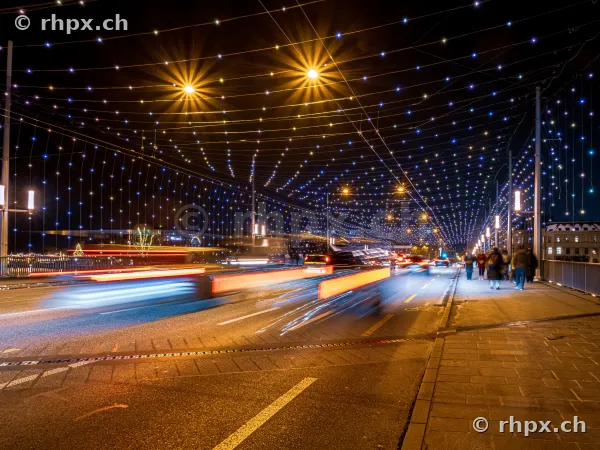
ISO and image quality
The ISO value regulates image noise in dark environments. A moderate adjustment ensures clean quality while maintaining an appropriate brightness of architectural details.
Three concrete examples
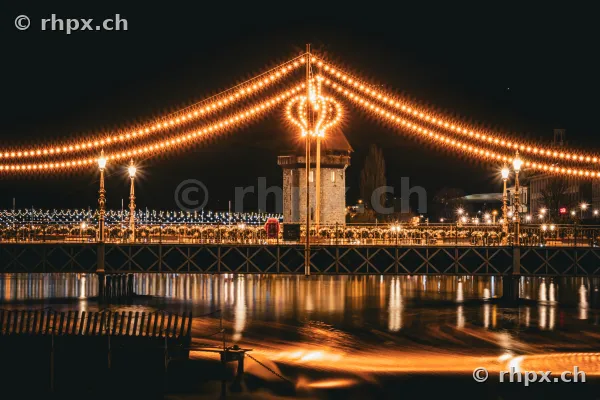

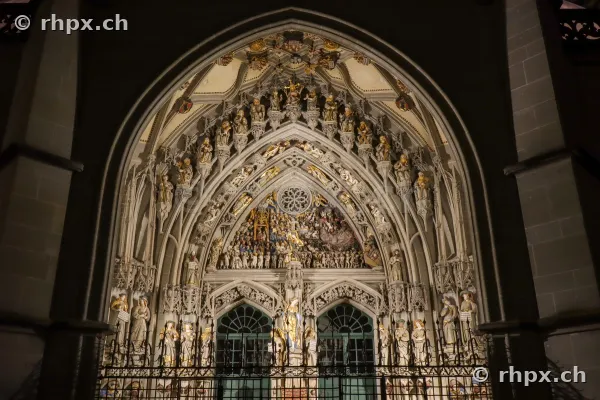
Key tips
- Choose a wide aperture to allow sufficient light onto the sensor under difficult lighting conditions.
- Adjust the ISO value to achieve a balanced ratio between image noise and the necessary brightness.
- Use a longer shutter speed to capture details of facades and light reflections on surfaces in detail.
Photographs on this topic
173 photographs with tips
The exact camera settings for each shot are shown below it - a starting point for recreating the look yourself. Click through to a photograph for detailed photography tips on that specific shot, under "Photography tips for this image".
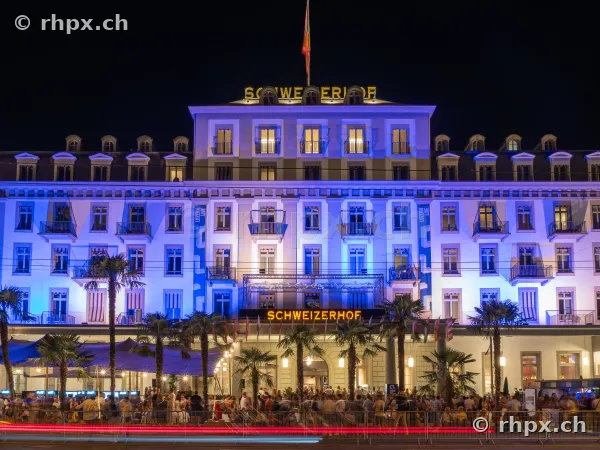 12 mm · f/8 · 1.6 s · ISO 160
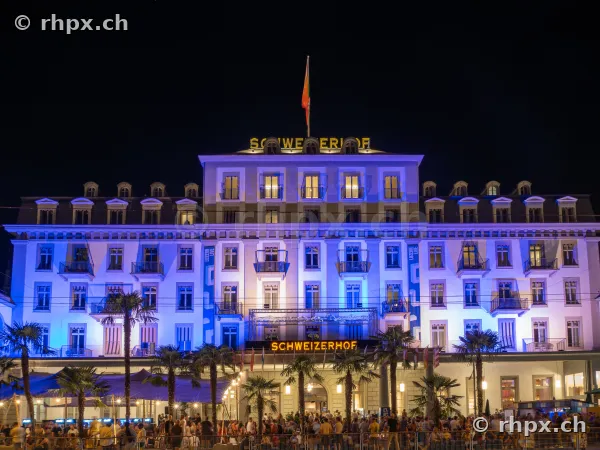 12 mm · f/8 · 1.6 s · ISO 160
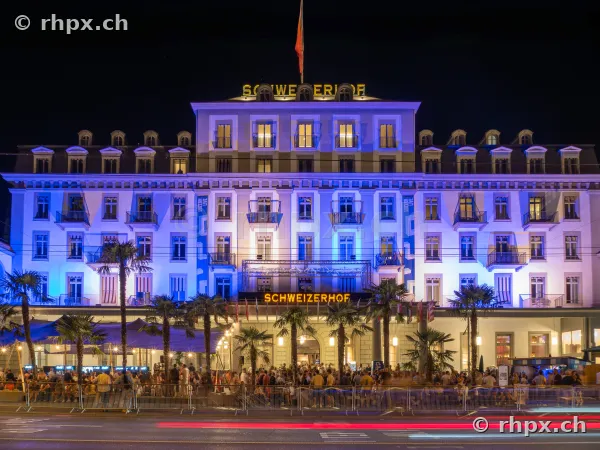 12 mm · f/8 · 1.6 s · ISO 160
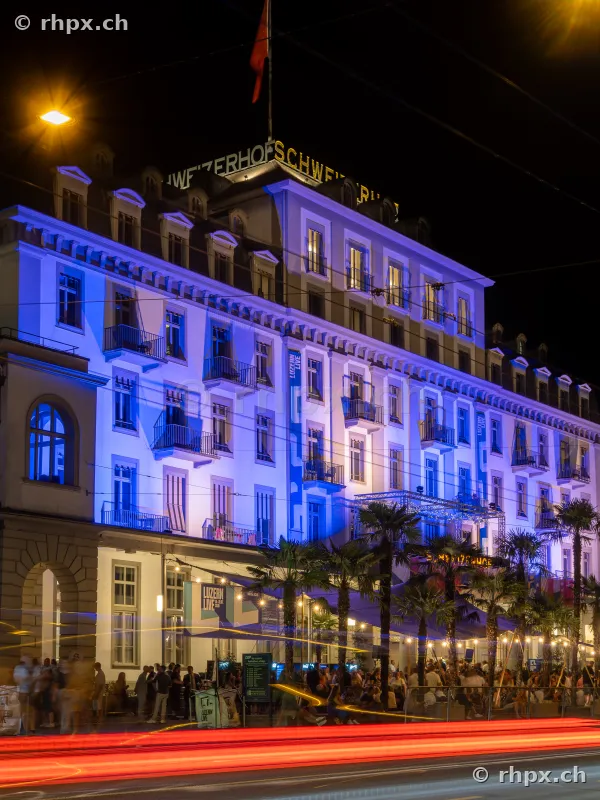 26 mm · f/7.1 · 1 s · ISO 250
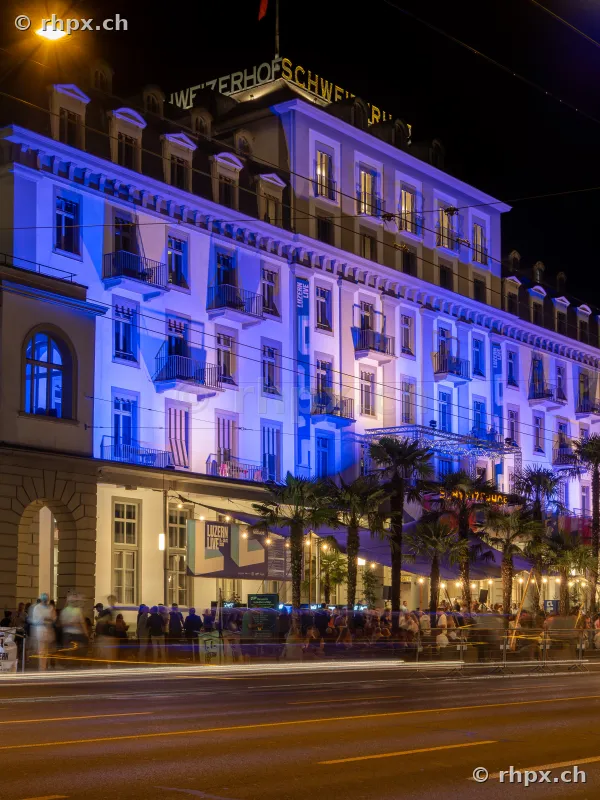 26 mm · f/7.1 · 1 s · ISO 250
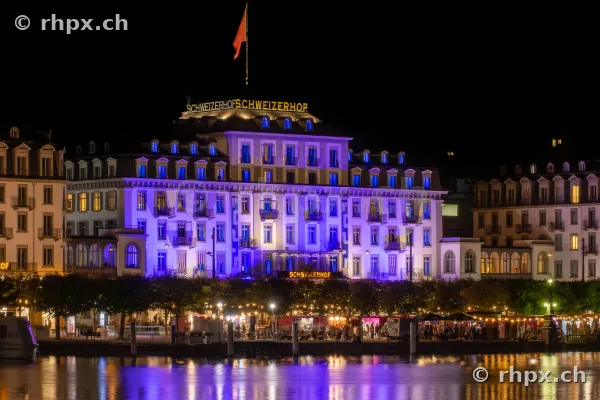 100 mm · f/16 · 3.2 s · ISO 200
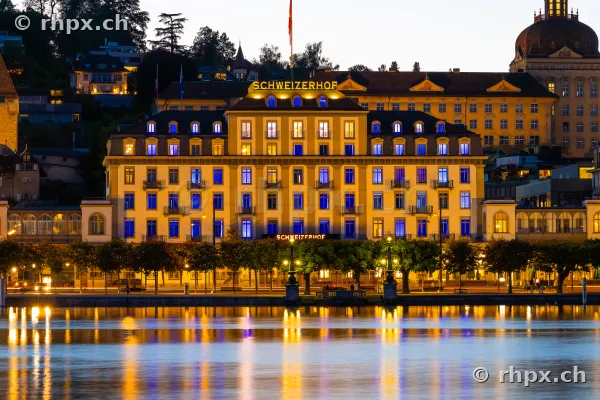 149 mm · f/9 · 4 s · ISO 100
 45 mm · f/22 · 1.3 s · ISO 3200
 45 mm · f/16 · 1/2 s · ISO 3200
 45 mm · f/4 · 1/10 s · ISO 3200
 15 mm · f/9 · 1 s · ISO 250
 12 mm · f/9 · 1 s · ISO 250
 78 mm · f/4.7 · 1/4 s · ISO 4000
 96 mm · f/4.9 · 1/10 s · ISO 4000
 150 mm · f/5.6 · 1/6 s · ISO 4000
 12 mm · f/2 · 1/25 s · ISO 2000
 12 mm · f/2 · 1/15 s · ISO 2000
 12 mm · f/2 · 1/8 s · ISO 2000
 12 mm · f/2 · 1/8 s · ISO 2000
 12 mm · f/2 · 1/15 s · ISO 4000
 12 mm · f/2 · 1/30 s · ISO 4000
 12 mm · f/2 · 1/30 s · ISO 4000
 12 mm · f/2 · 1/25 s · ISO 4000
 12 mm · f/2 · 1/15 s · ISO 4000
Related topics