
Photography tips
Using aperture creatively
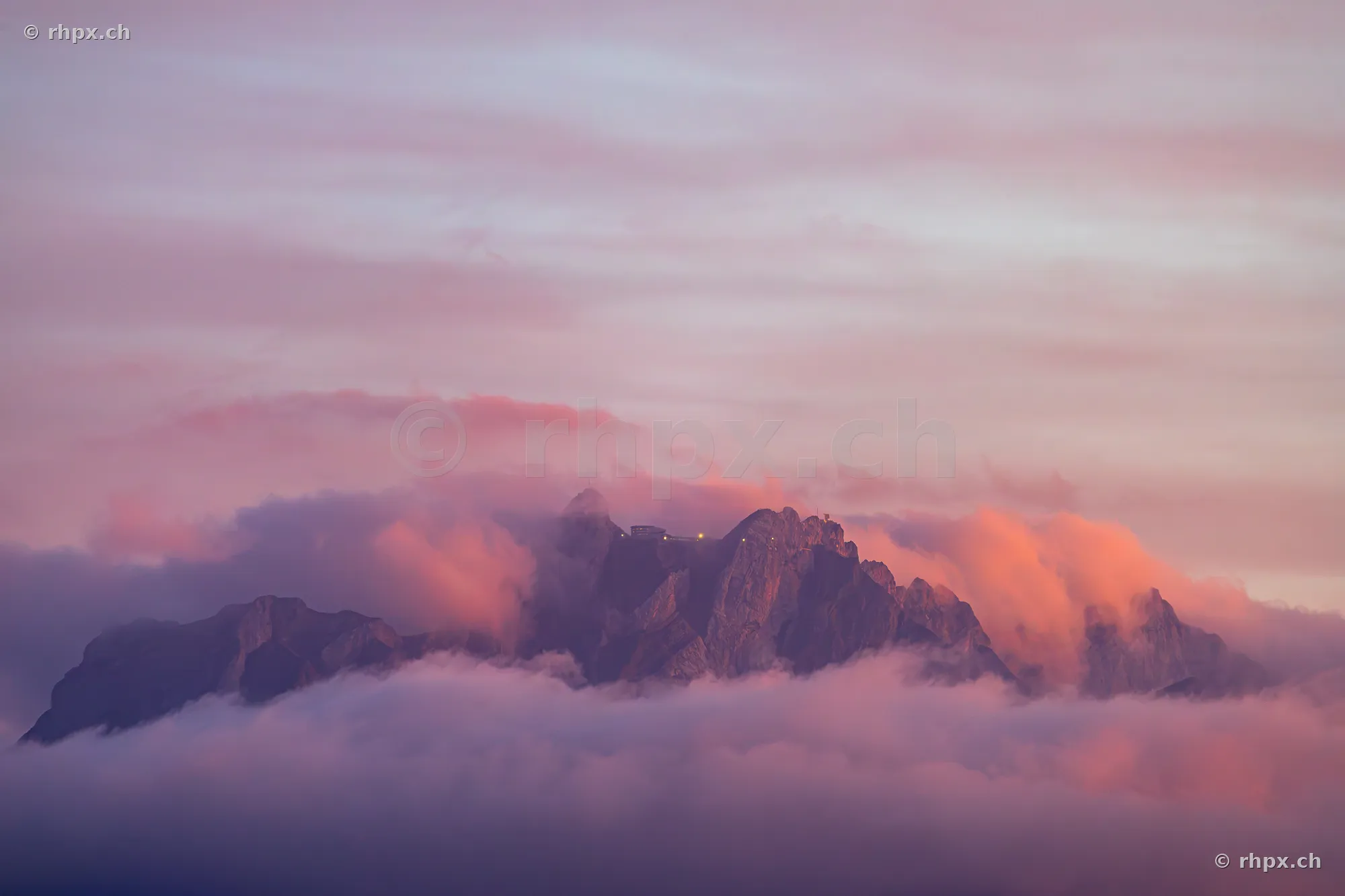
The Aperture as a Creative Tool
The choice of aperture is one of the three decisive factors for exposure and the effect of the image. By adjusting the aperture, you not only regulate the light intake but also actively control the depth of field and influence optical phenomena in direct light.
Precision in Image Composition
By consciously selecting the aperture, you define which areas of your image will be sharp. A deliberate choice of aperture allows you to delineate complex scenes with subjects at different distances or achieve continuous sharpness from the foreground to the background.
Flexibility in Challenging Conditions
The aperture allows you to react to fluctuating lighting conditions. You can supply the sensor with the required amount of light and thus influence the shutter speed, enabling you to achieve a technically sound result despite challenges like backlight or low ambient light.
How the aperture changes the photograph
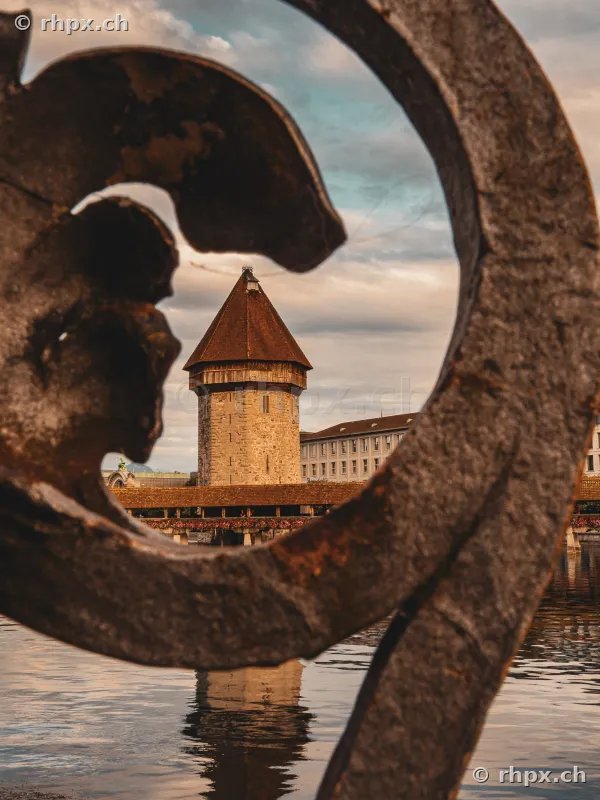
Controlling Depth of Field
Using the aperture, you determine the extent of the depth of field in the image. A closed aperture like f/16 ensures that both near structures in the foreground and distant subjects are rendered sharply.
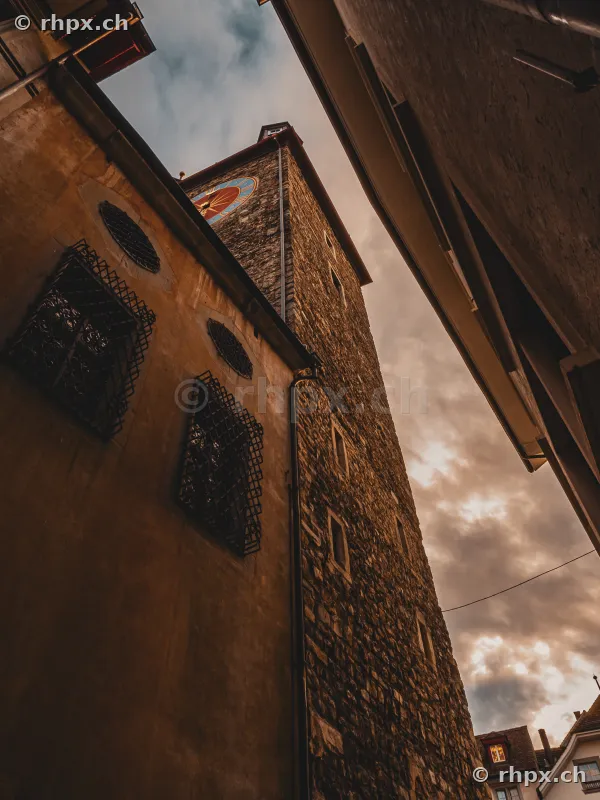
Light Quantity and Shutter Speed
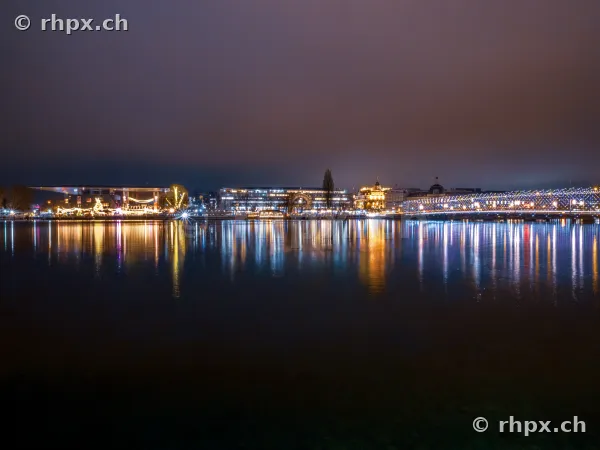
When ambient light decreases, a wide aperture allows you to keep the shutter speed short. This ensures sufficient light reaches the sensor to achieve correctly exposed images even in challenging light conditions.
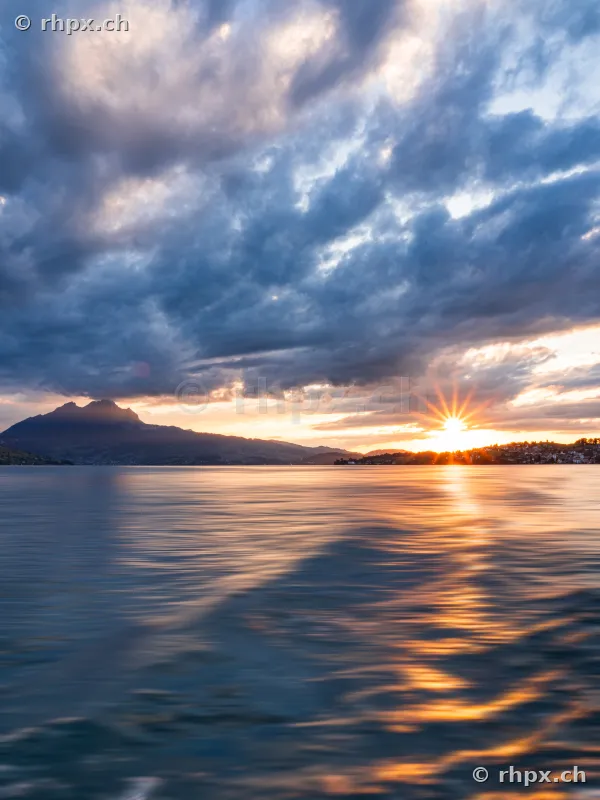
Effects in Backlight
A very small aperture like f/22 helps you achieve specific optical effects when shooting in direct sunlight. This causes the sun to be rendered as a star-shaped point of light and emphasizes the light rays.
Three concrete examples

Key tips
- Select a closed aperture like f/16 to achieve high depth of field when capturing both foreground and background.
- Use a wide aperture in difficult lighting conditions to bring more brightness to the sensor and keep the shutter speed short.
- Utilize a small aperture like f/22 to achieve the effect of a sunstar when shooting directly into the sun.
Photographs on this topic
3 photographs with tips
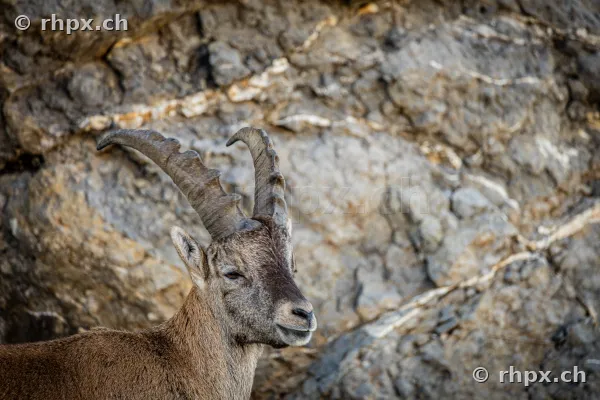
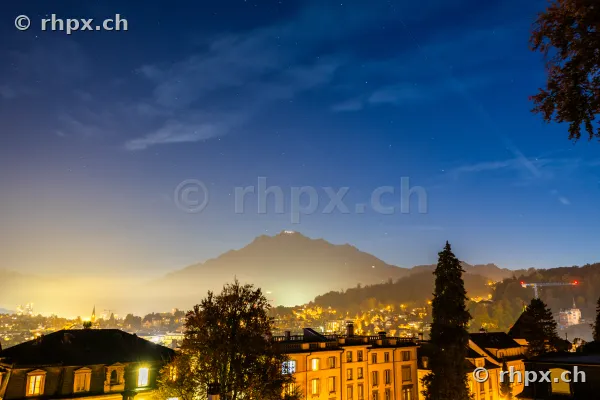
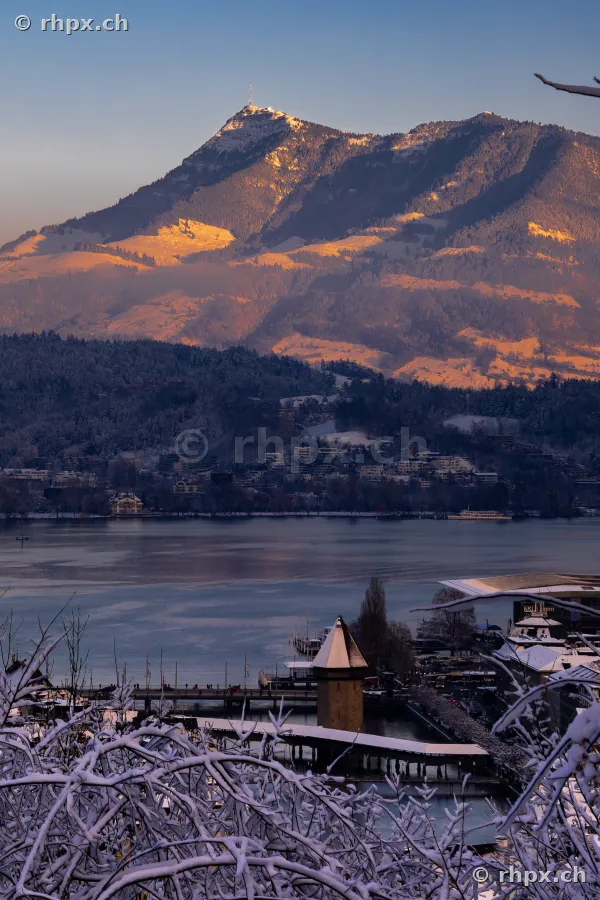
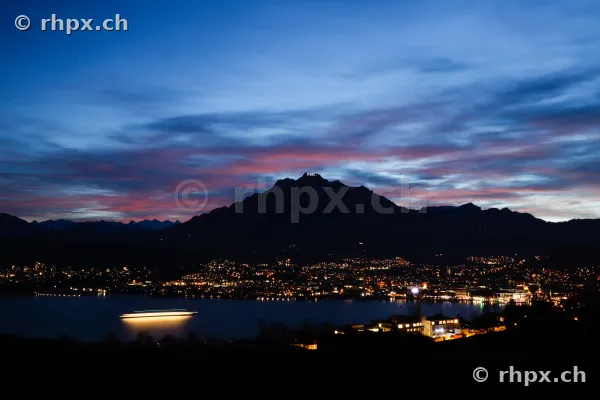
The exact camera settings for each shot are shown below it - a starting point for recreating the look yourself. Click through to a photograph for detailed photography tips on that specific shot, under "Photography tips for this image".
Related topics