
Photography tips
Photographing reflections
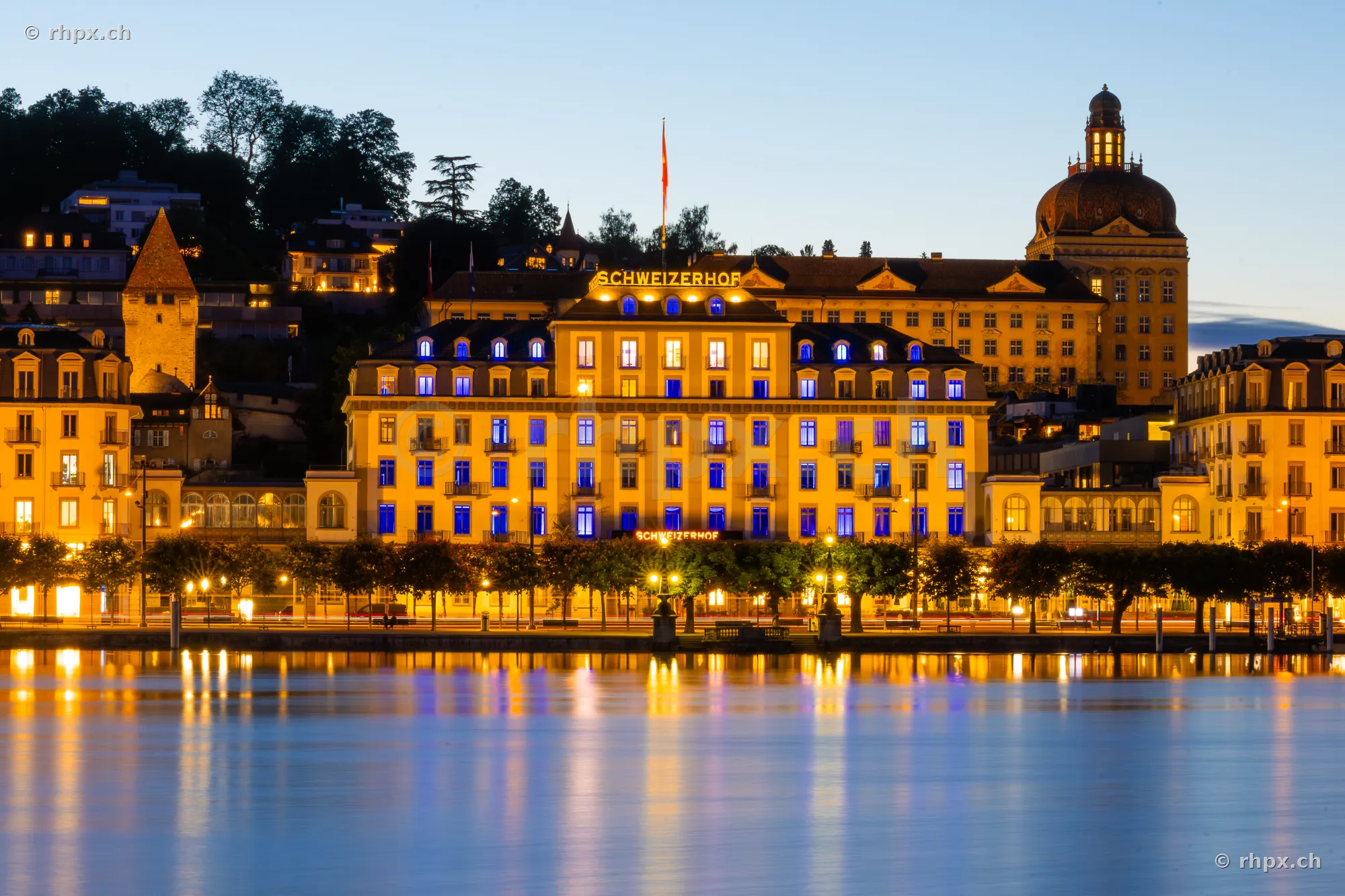
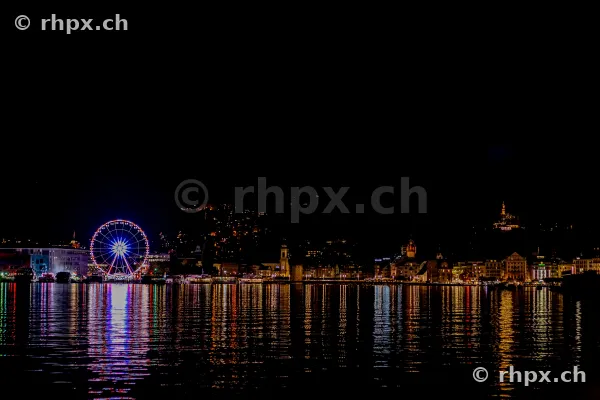
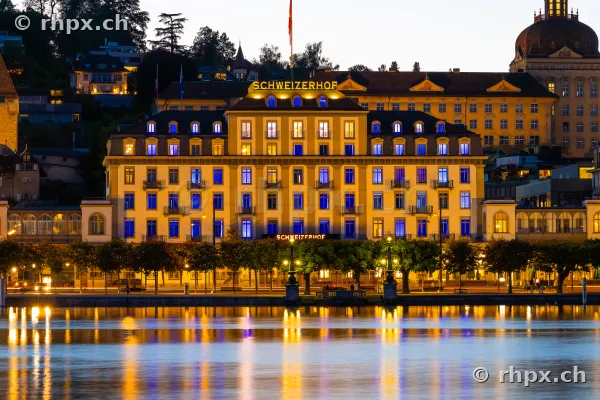
Reflections in photographic images expand the visible space and alter the perception of surfaces. When working with reflecting light—especially in nocturnal scenarios—the interplay between light sources and their representation in water or on wet surfaces forms a foundational element of composition.
Requirements for Selecting Motifs
The choice of viewpoint is decisive for capturing reflections. You specifically look for bodies of water or flat, damp surfaces to integrate artificial light sources into the composition. Positioning yourself in relation to the object allows you to accurately reflect architecture and light installations.
Technical Configuration of Reflections
With the appropriate exposure settings, you control the character of the reflection. By using longer shutter speeds, you can reduce water movement, resulting in a harmoniously flowing representation of lights. The choice of aperture between f/4.5 and f/22 helps you adapt the depth of field to the specific composition.
How photographing reflections changes the outcome
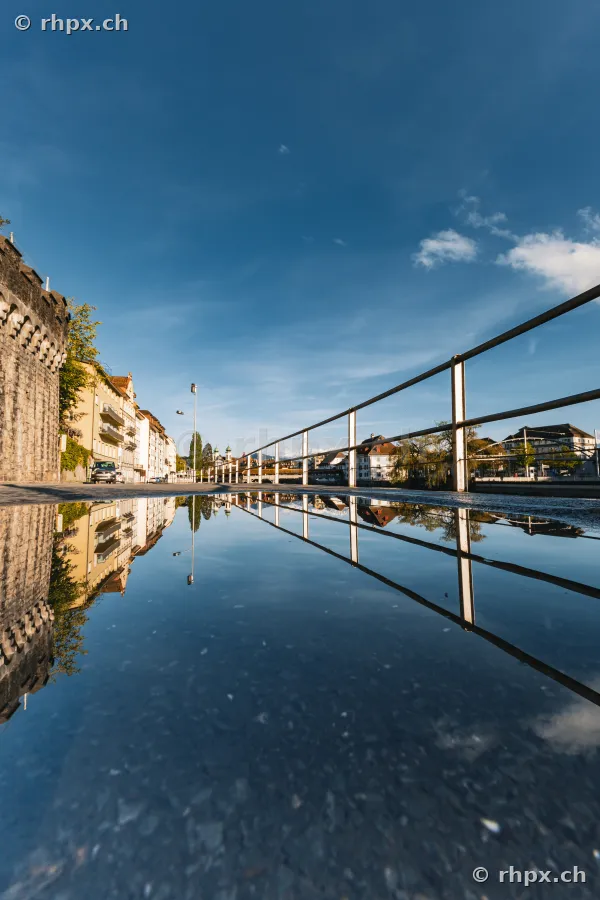
Compositional depth
By placing reflections in puddles or bodies of water in the foreground, you create a spatial separation between the subject and the viewer. This arrangement leads to a measurable increase in depth within your nocturnal shots.
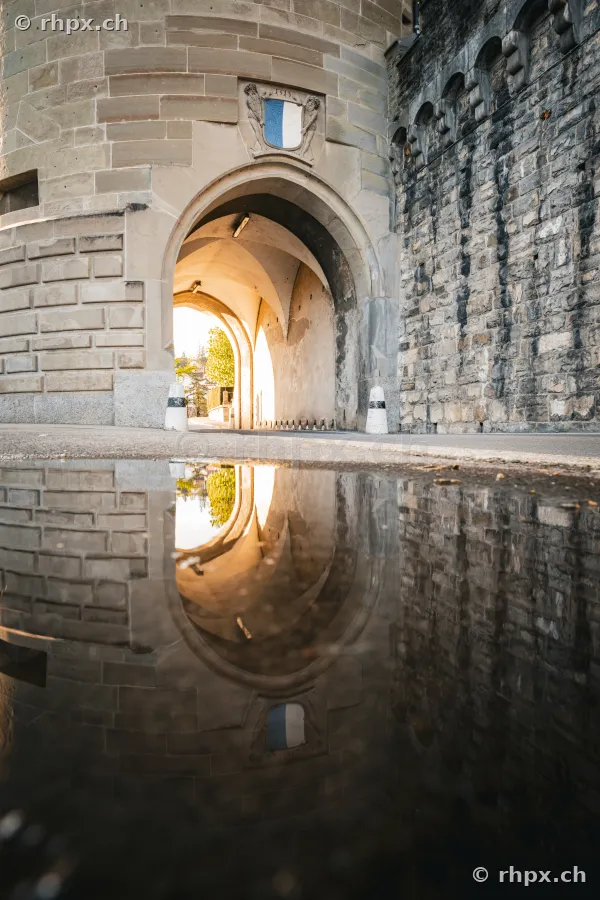
Lighting in composition
You use reflections of light installations to utilize light sources twice within the composition. This allows you to deliberately direct attention towards architectural elements, with focal lengths between 15 mm and 100 mm defining the frame.
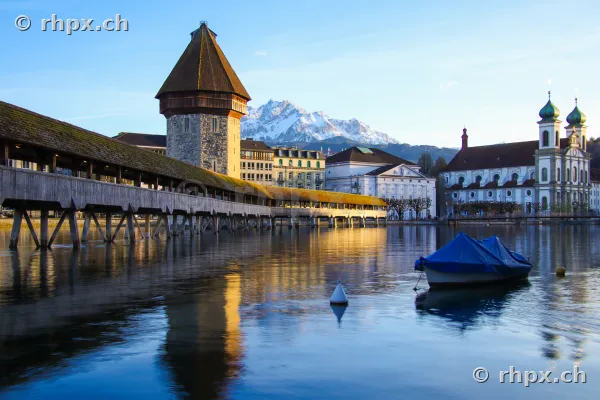
Stable rendering of reflections
The choice of shutter speed determines how stable the reflection is captured on the sensor. A longer exposure calms the movement of the water and creates a smooth, clear rendering of the reflected light points.
Three concrete examples

Key tips
- Select a longer shutter speed to calm water movement and render reflections in a harmoniously flowing manner.
- Look for a body of water or puddles on flat surfaces to optimally include the reflections of artificial light sources in your composition.
- Use reflections on wet streets or in puddles as a compositional element to add depth to nocturnal scenery.
Photographs on this topic
8 photographs with tips
The exact camera settings for each shot are shown below it - a starting point for recreating the look yourself. Click through to a photograph for detailed photography tips on that specific shot, under "Photography tips for this image".
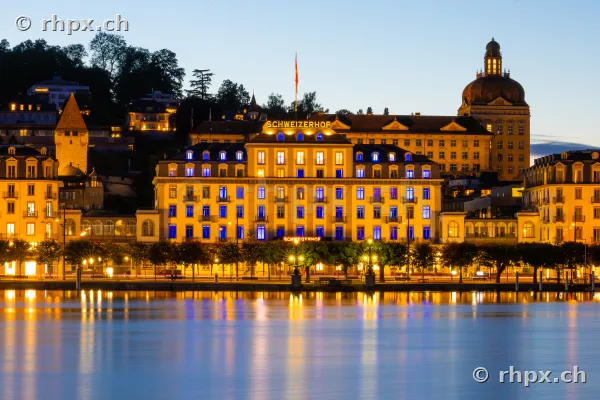 100 mm · f/25 · 20 s · ISO 400
149 mm · f/9 · 4 s · ISO 100
45 mm · f/9 · 1/2 s · ISO 500
100 mm · f/25 · 20 s · ISO 400
149 mm · f/9 · 4 s · ISO 100
45 mm · f/9 · 1/2 s · ISO 500
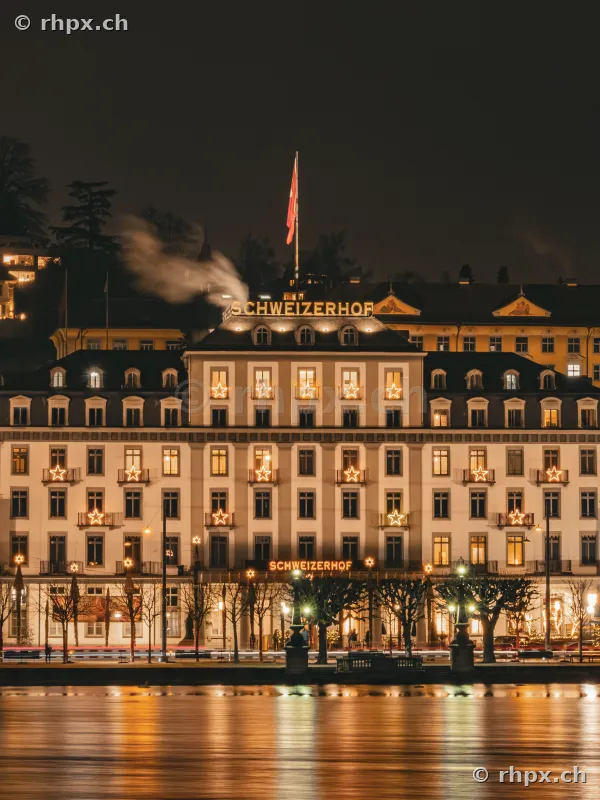 66 mm · f/14 · 2.5 s · ISO 1000
 30 mm · f/8 · 1/5 s · ISO 800
 30 mm · f/16 · 4 s · ISO 800
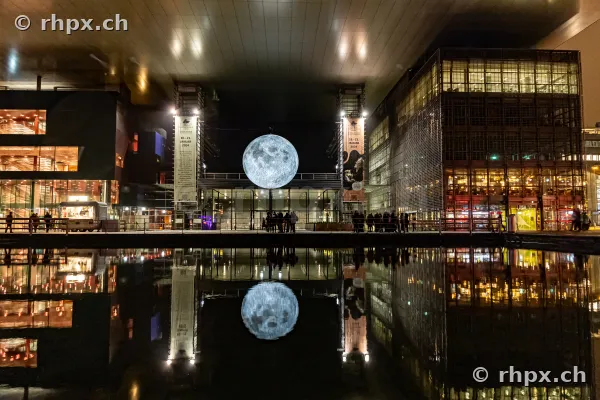 24 mm · f/4.5 · 1/6 s · ISO 1600
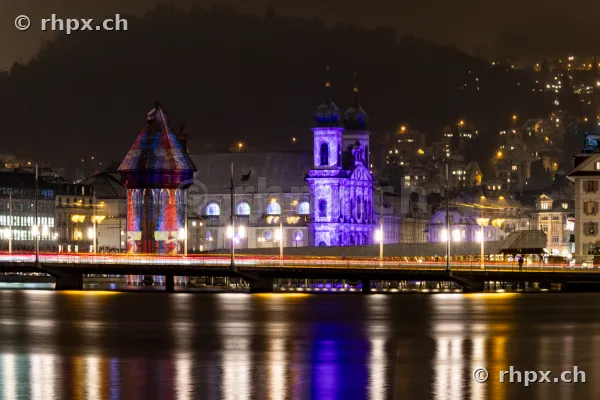 100 mm · f/18 · 25 s · ISO 400
Related topics