
Photography tips
Using a wide angle creatively
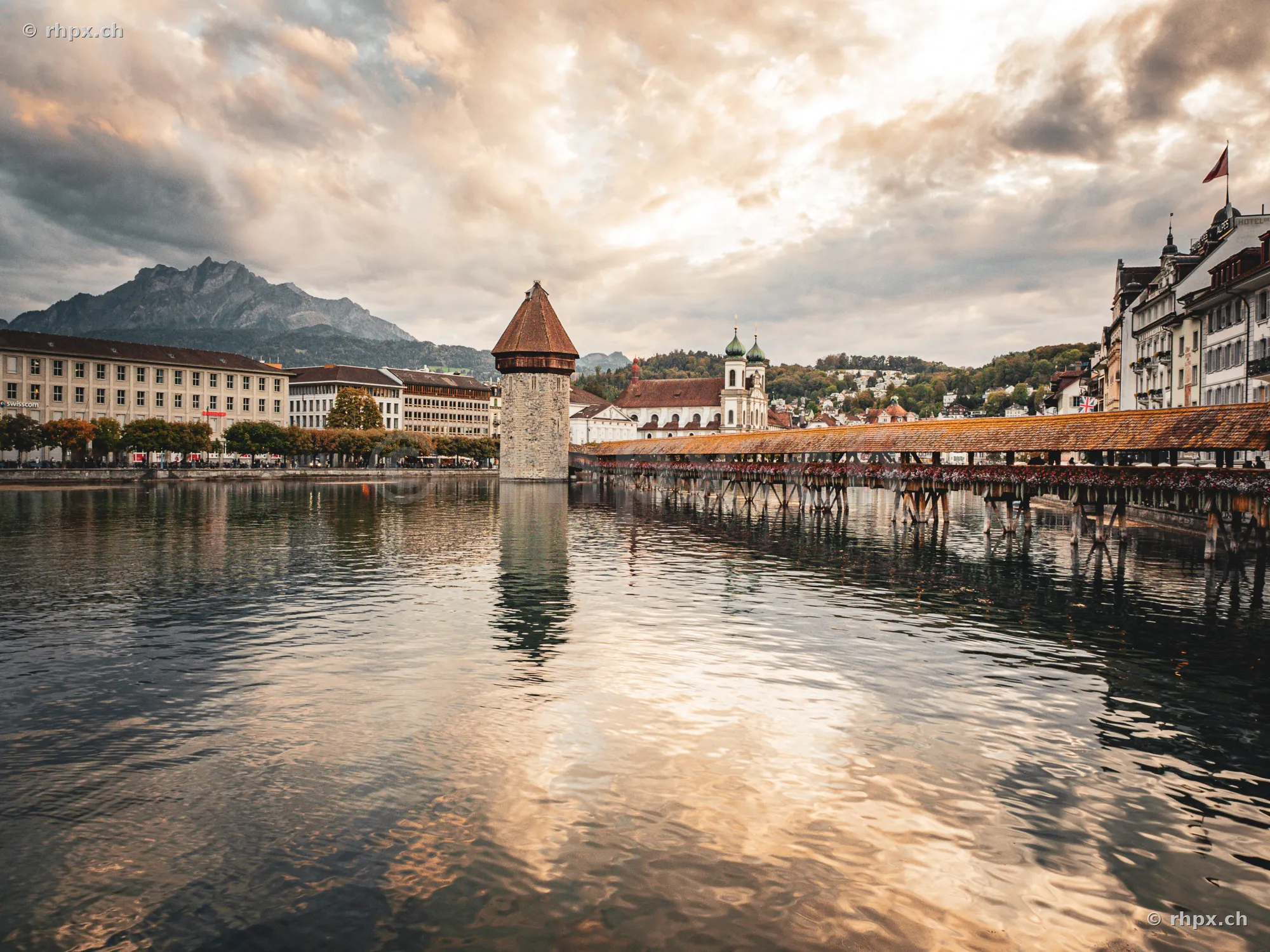
The effect of wide-angle focal lengths
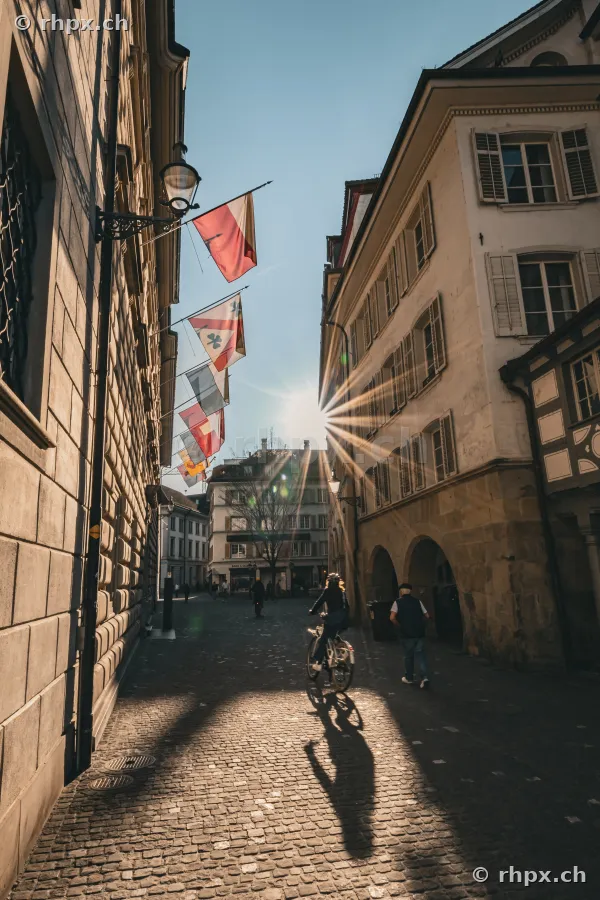
Working with wide-angle focal lengths between 12 mm and 30 mm allows for a comprehensive capture of the subject. This range is suitable for documenting both expansive scenes and architectural contexts in Lucerne.
Composition with the foreground
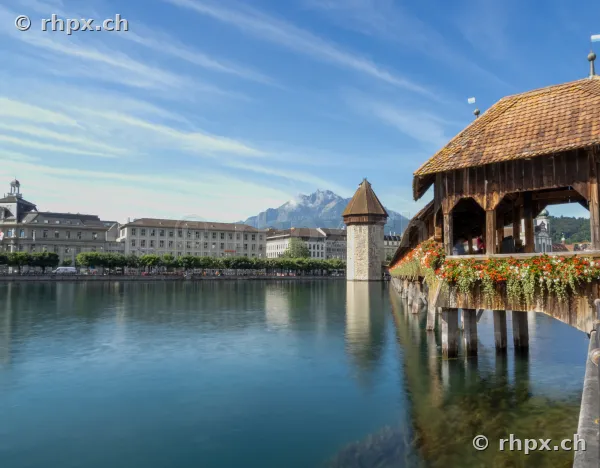
Incorporating a prominent foreground changes the spatial depth of your image. Combining a nearby object with the surrounding area creates a direct link between details and the architectural background.
Precision in image composition
When using ultra-wide-angle focal lengths, precise camera alignment is essential. Careful placement of elements within the frame minimizes converging verticals and ensures a cohesive composition.
What using wide-angle photography changes
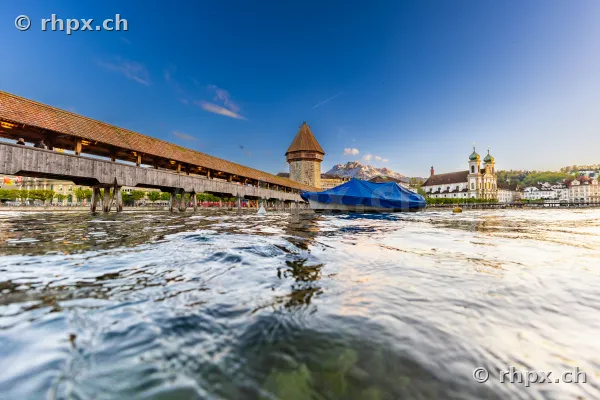
Spatial depth and dimensions
Using a wide-angle focal length emphasizes the distance between a near foreground and the background. This increases the spatial effect and makes the large dimensions of landscapes or buildings visible in a single shot.
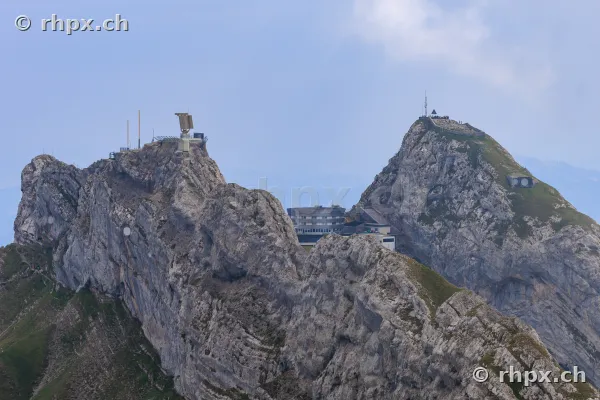
Managing image sharpness
By selecting a closed aperture such as f/16, you control the depth of field in wide-angle shots. This ensures that both details on the ground and distant architectural elements remain in focus.
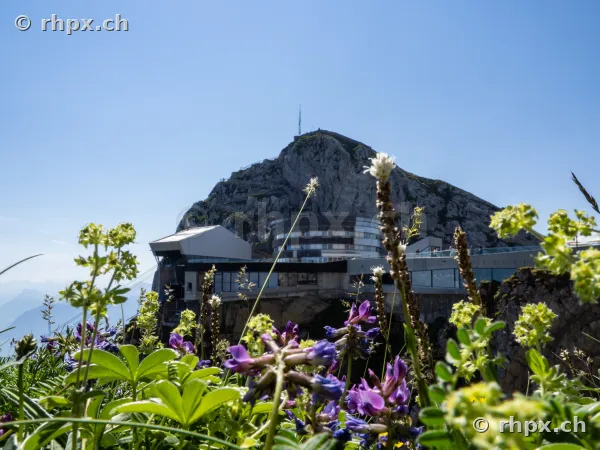
Integrating the foreground
A deliberately chosen object in the foreground serves as a design element to frame the scene. This technique connects details such as flowers or chains directly with the expansive surroundings of the city.
Three concrete examples

Key tips
- Actively include the foreground at 12 mm to complement the wide-angle subject and emphasize depth.
- Use a closed aperture of f/16 to ensure consistent depth of field in wide-angle shots.
- Ensure precise camera alignment at 12 mm to minimize converging verticals on buildings.
Photographs on this topic
327 photographs with tips
The exact camera settings for each shot are shown below it - a starting point for recreating the look yourself. Click through to a photograph for detailed photography tips on that specific shot, under "Photography tips for this image".
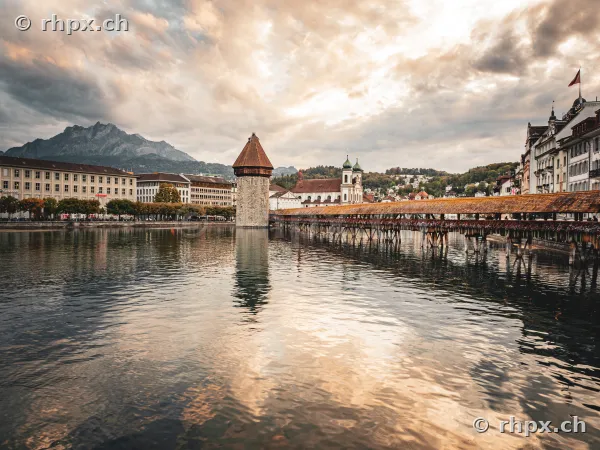 12 mm · f/14 · 1/15 s · ISO 200
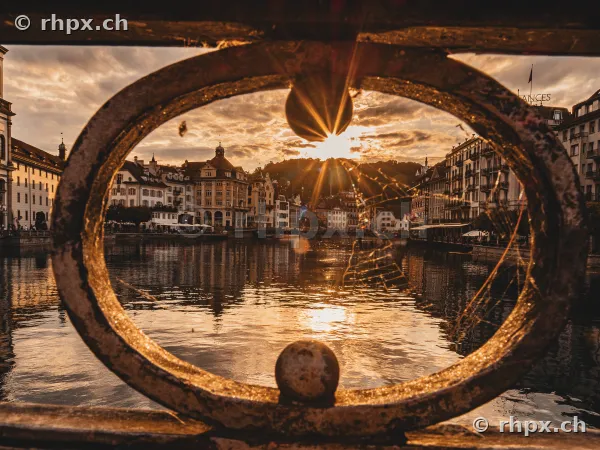 13 mm · f/18 · 1/100 s · ISO 200
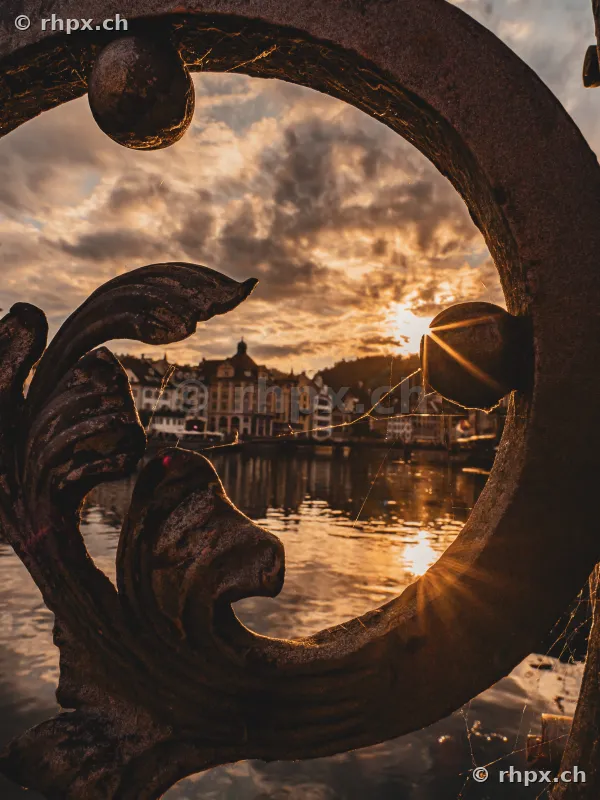 12 mm · f/16 · 1/200 s · ISO 200
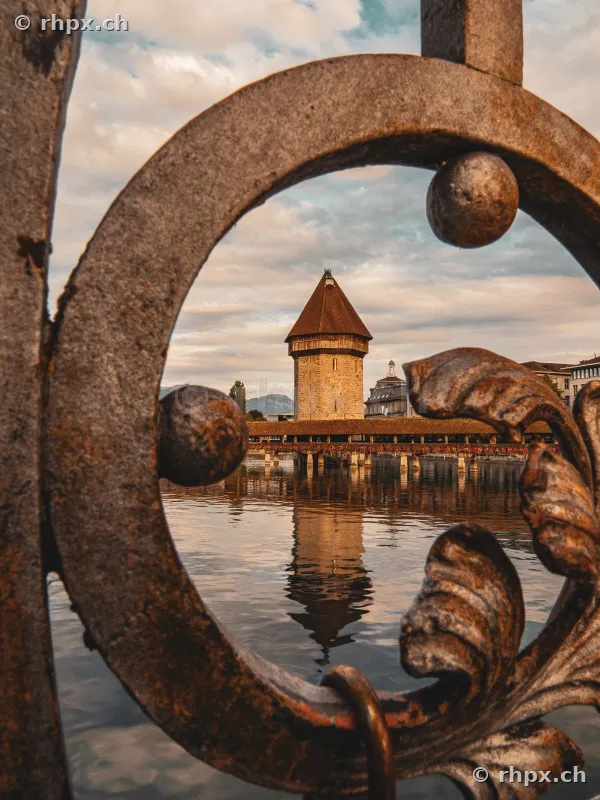 12 mm · f/22 · 1/10 s · ISO 125
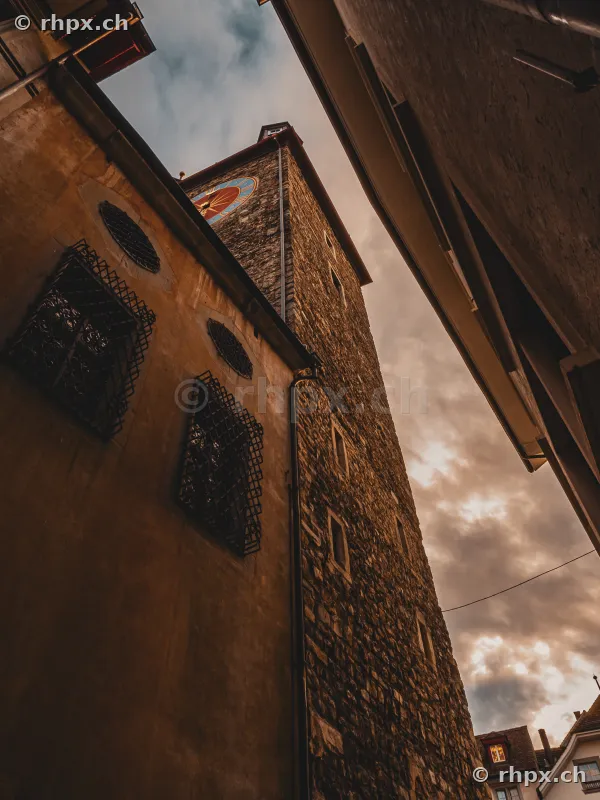 12 mm · f/22 · 1/13 s · ISO 160
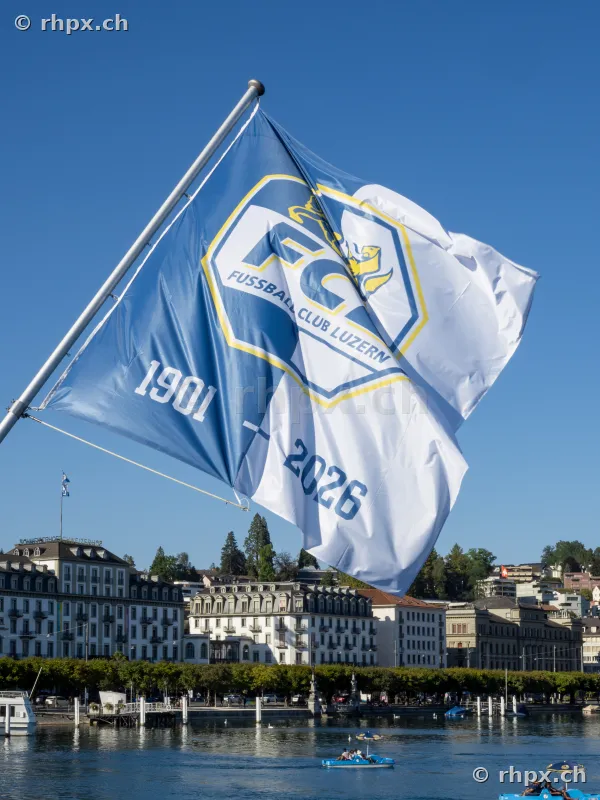 29 mm · f/16 · 1/160 s · ISO 200
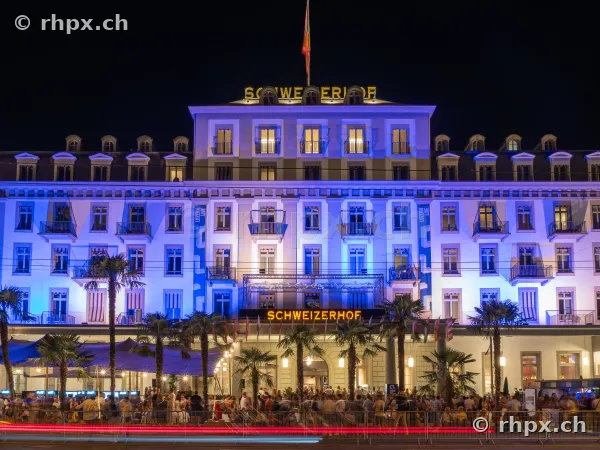 12 mm · f/8 · 1.6 s · ISO 160
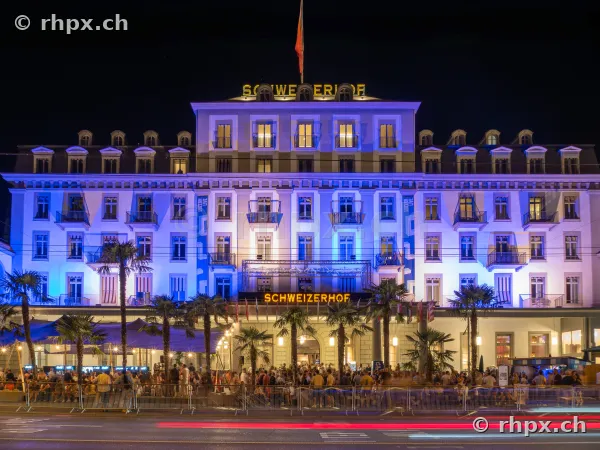 12 mm · f/8 · 1.6 s · ISO 160
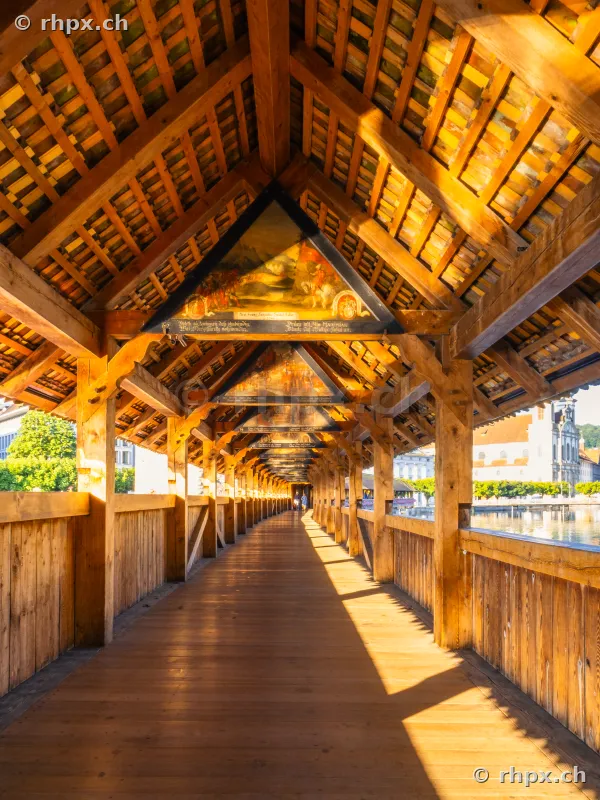 12 mm · f/16 · 1/15 s · ISO 500
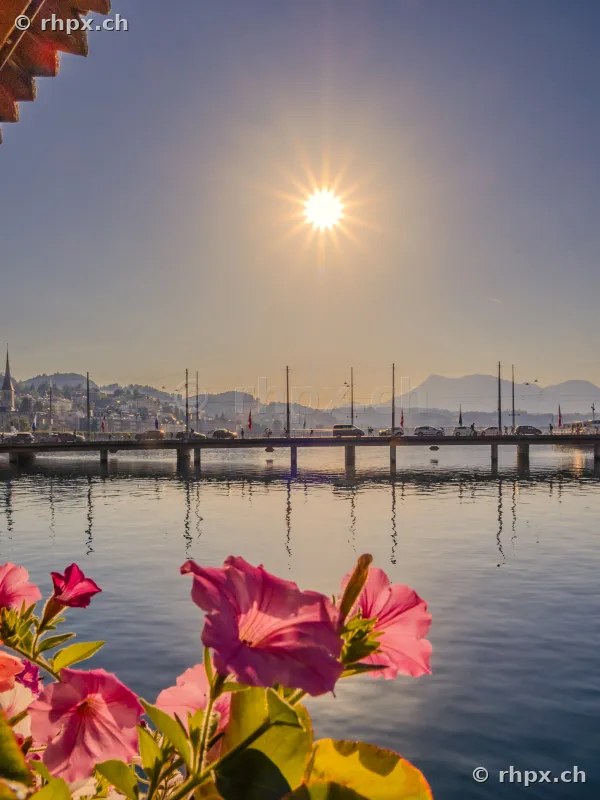 12 mm · f/16 · 1/800 s · ISO 500
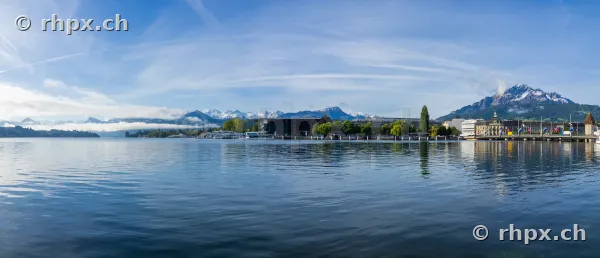 12 mm · f/16 · 1/160 s · ISO 200
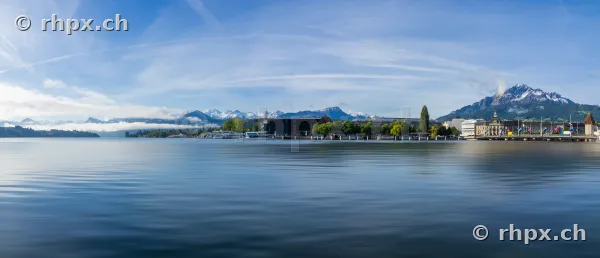 12 mm · f/16 · 1/160 s · ISO 200
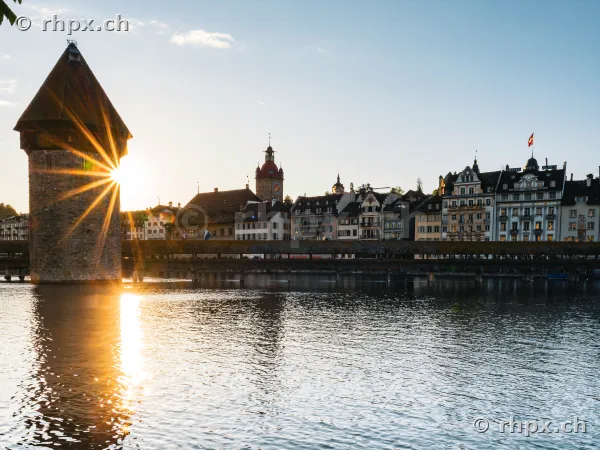 15 mm · f/22 · 1/60 s · ISO 400
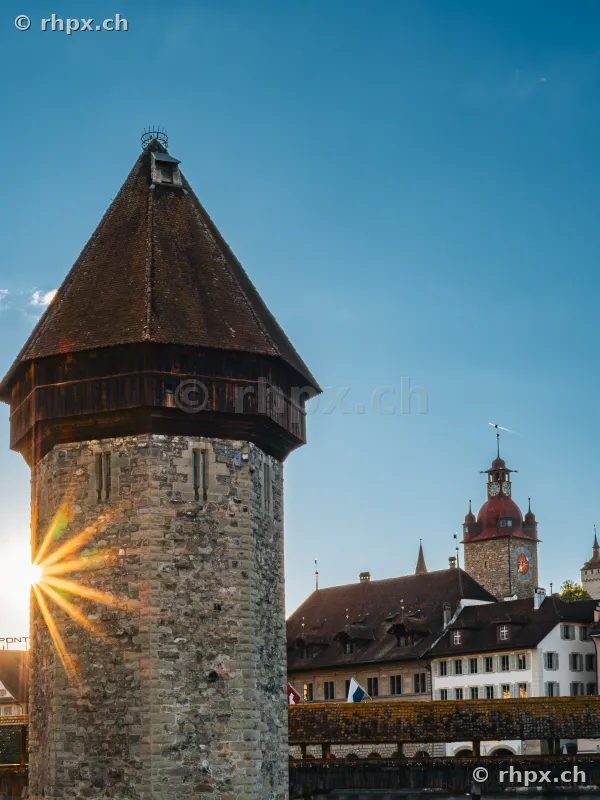 26 mm · f/22 · 1/60 s · ISO 320
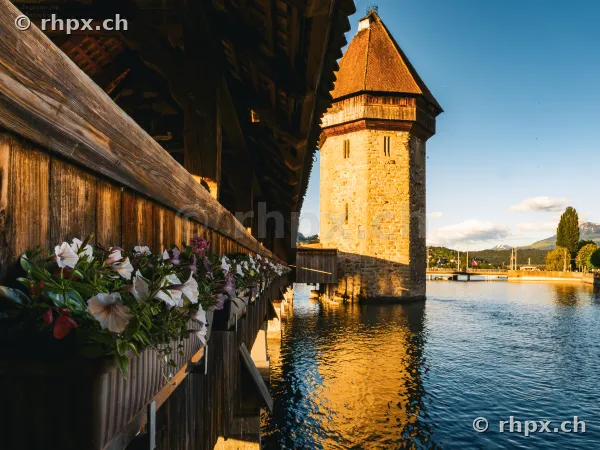 12 mm · f/22 · 1/60 s · ISO 800
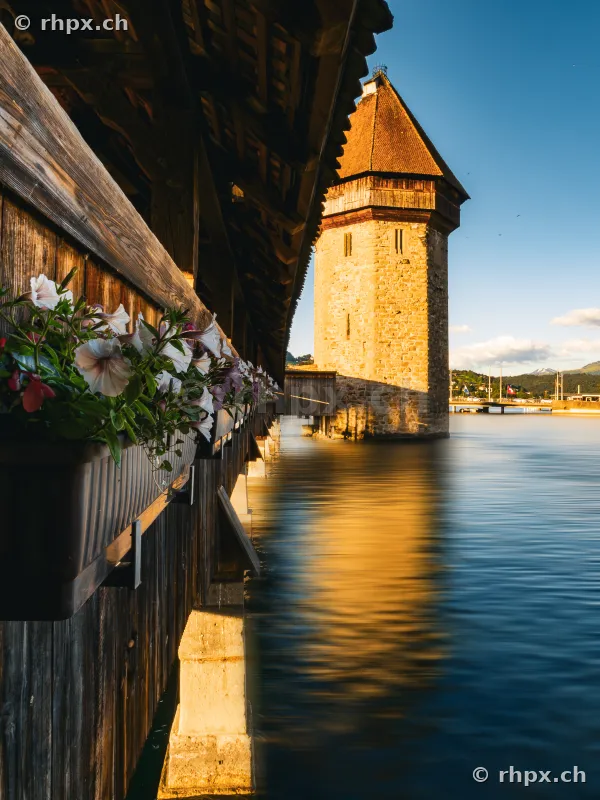 12 mm · f/22 · 1/60 s · ISO 1000
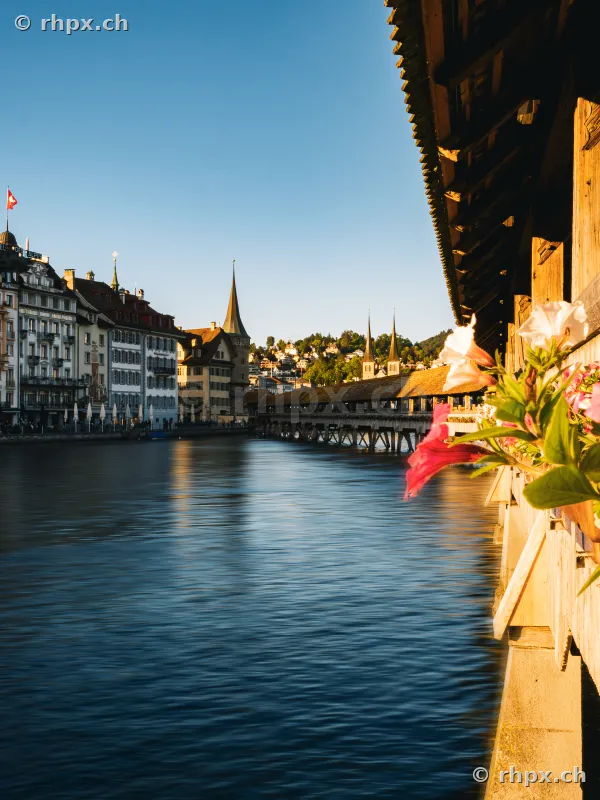 20 mm · f/22 · 1/60 s · ISO 500
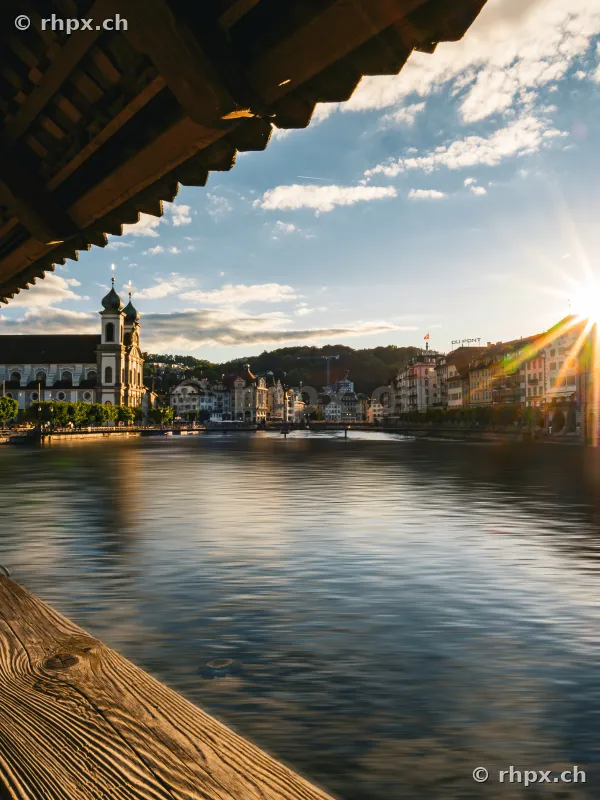 12 mm · f/22 · 1/60 s · ISO 250
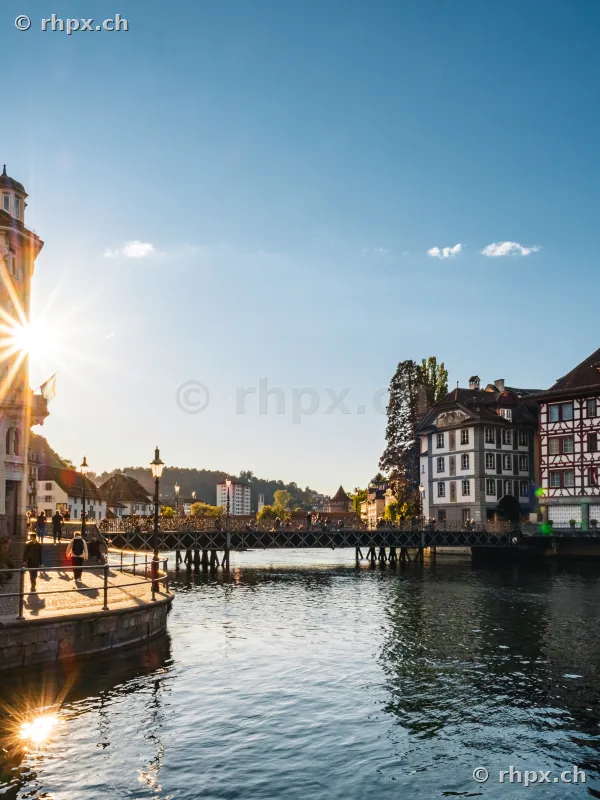 16 mm · f/22 · 1/100 s · ISO 200
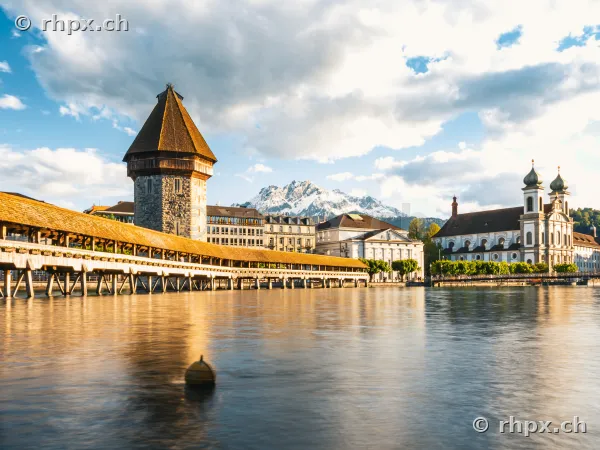 16 mm · f/22 · 2 s · ISO 64
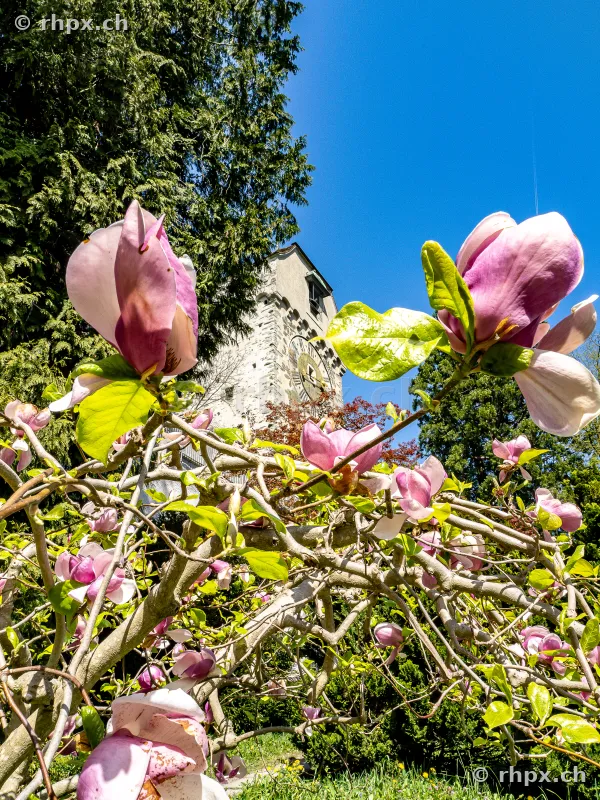 12 mm · f/14 · 1/100 s · ISO 200
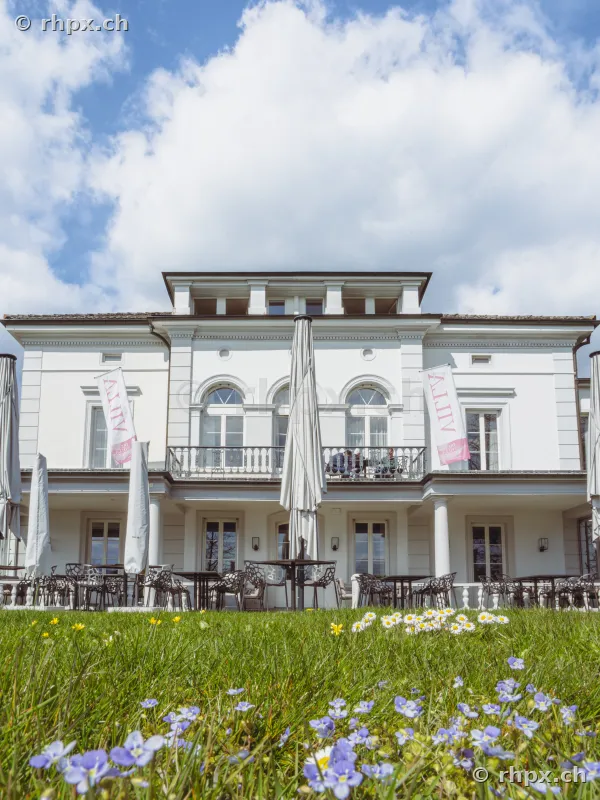 12 mm · f/18 · 1/100 s · ISO 200
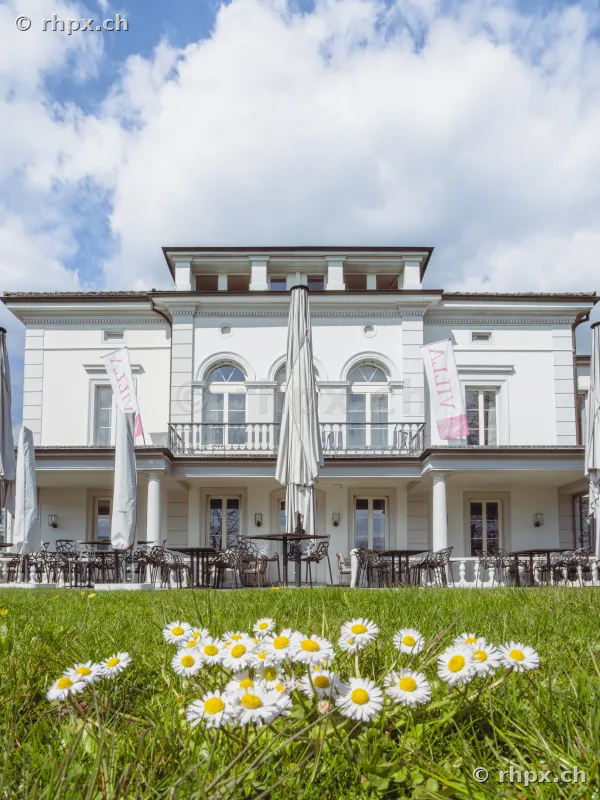 12 mm · f/18 · 1/100 s · ISO 200
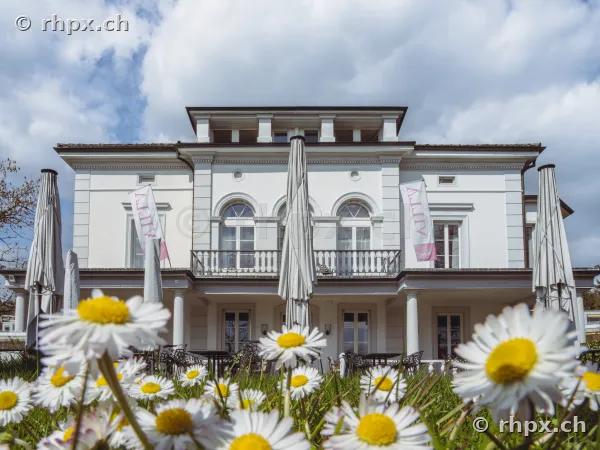 12 mm · f/18 · 1/160 s · ISO 200
Related topics