
Photography tips
Using shutter speed creatively
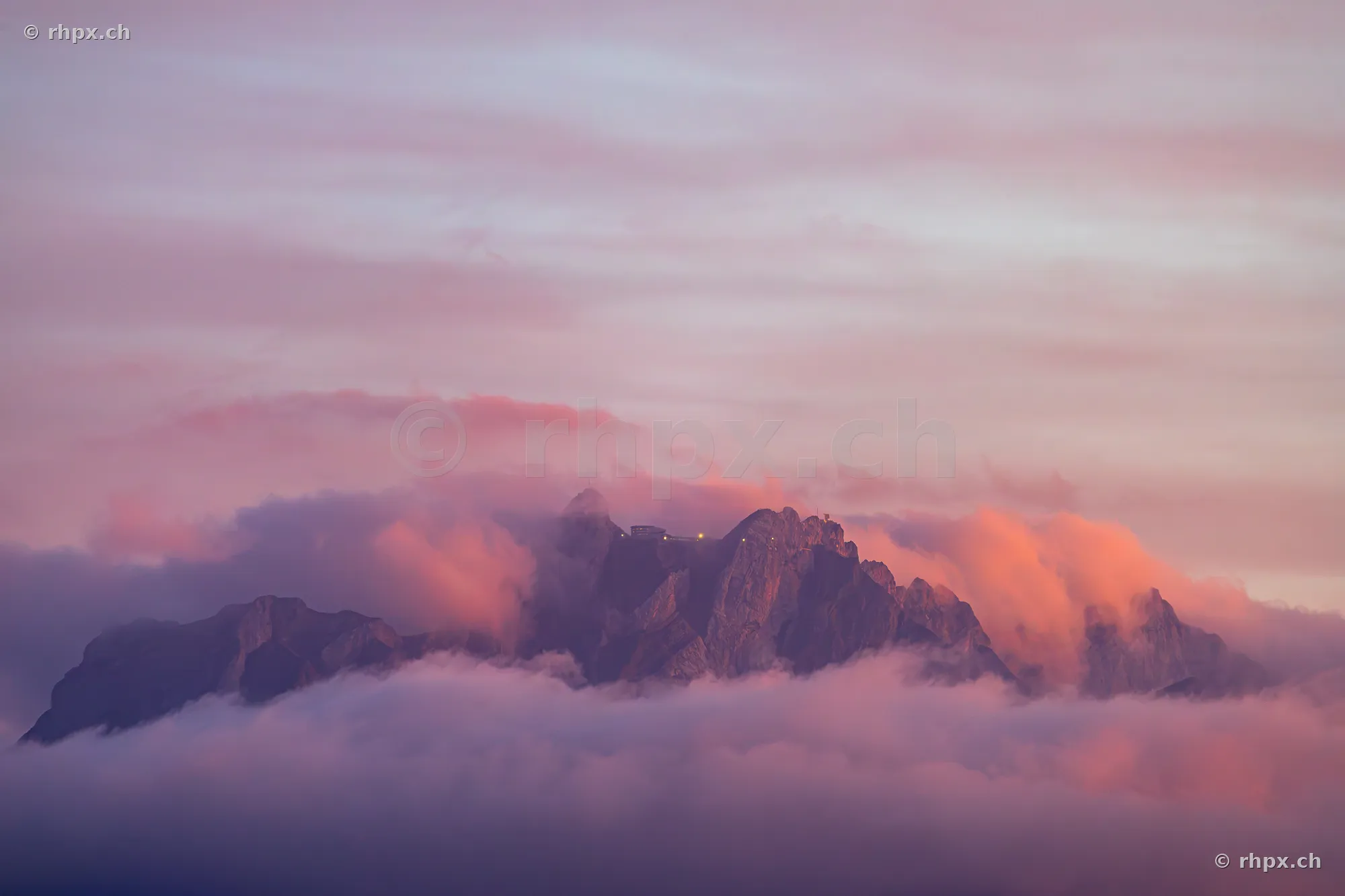
The shutter speed determines the duration for which your camera's sensor is exposed to light. By choosing this setting precisely, you control how movement is depicted in your image and whether the result is a sharp frozen subject or intentional motion blur.
Precision in Subject Capture
Whether you are photographing a moving boat on the water or flags waving in the wind, the shutter speed is critical to the clarity of your shot. A fast shutter speed reliably freezes motion, while longer exposures can be used intentionally to visualize dynamics.
Stability and Light Control
Especially with long focal lengths, selecting a sufficiently fast shutter speed is essential to minimize camera shake during handheld shots. Always keep an eye on the lighting conditions and adjust the ISO value to maintain a balance between technical sharpness and a correctly exposed image.
How shutter speed changes your photography
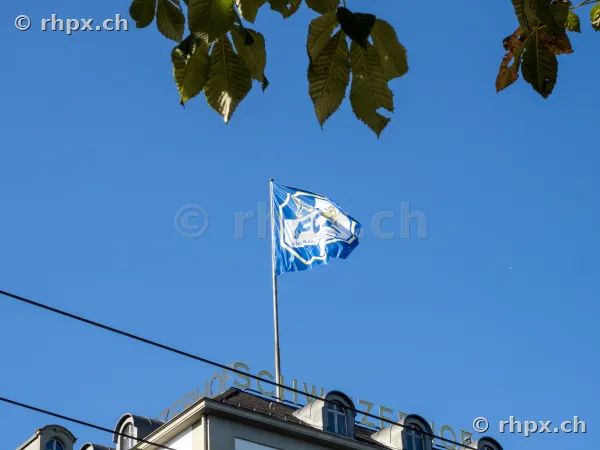
Freezing motion
A short shutter speed allows you to capture fast movements, such as a waving flag or a moving ship, with sharp detail. This prevents motion blur and ensures that the texture of the subject remains clearly visible.
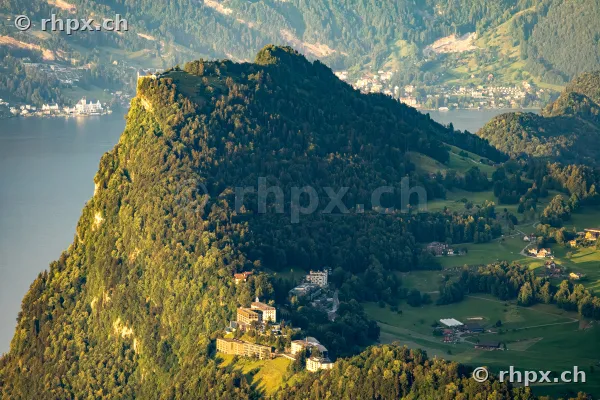
Avoiding camera shake
When shooting handheld or using long focal lengths, even the smallest movements can lead to camera shake. By selecting a sufficiently fast shutter speed, you minimize this effect and achieve a stable, sharp image.
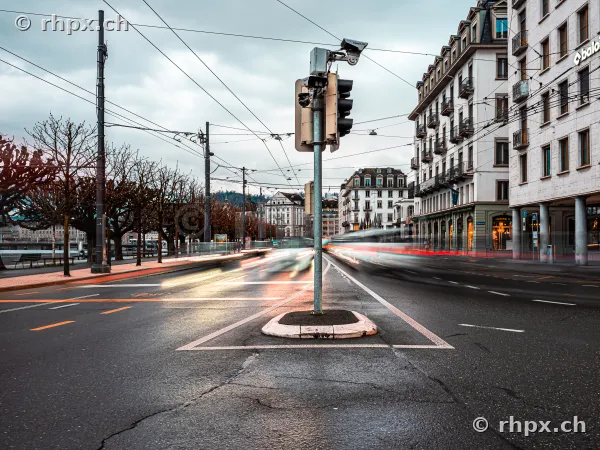
Creative use of light sources
Longer shutter speeds of over one second allow you to capture moving light sources as continuous trails. This technique significantly alters the visual representation of motion compared to a standard still shot.
Three concrete examples
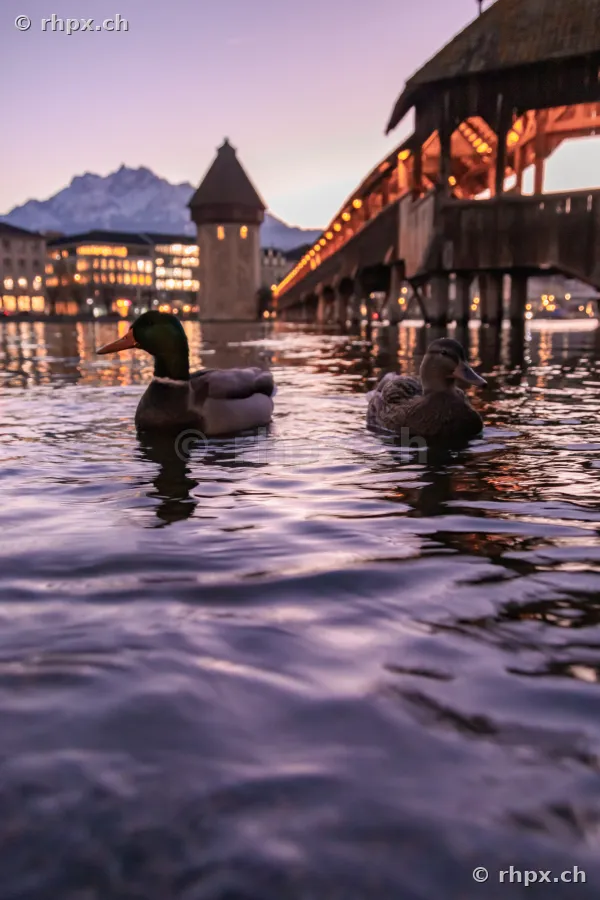

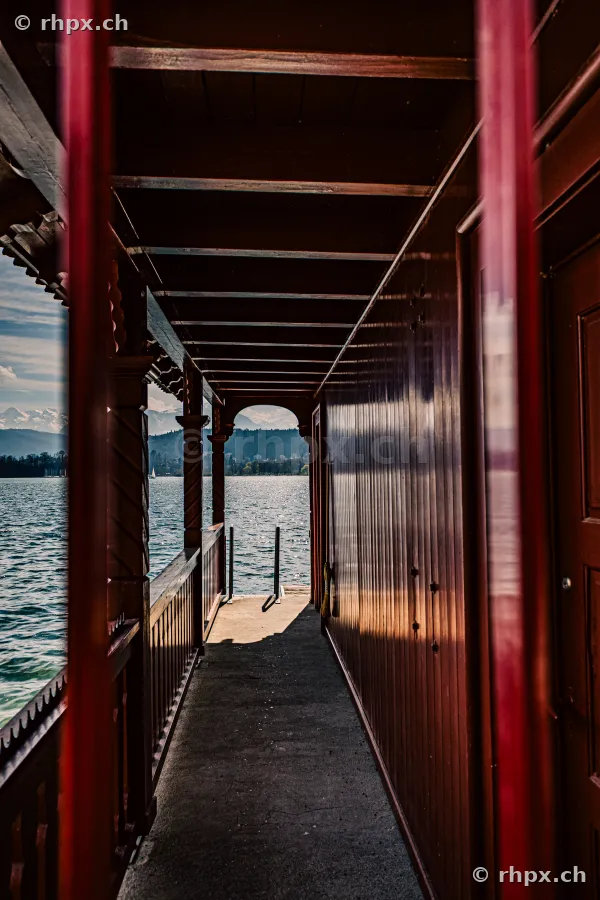
Key tips
- Choose a sufficiently fast shutter speed for moving ships or dynamic subjects to freeze the action and prevent blur.
- When using long focal lengths, ensure a fast shutter speed to avoid motion blur caused by camera shake.
- Adjust your ISO setting in combination with a fast shutter speed to maintain a correctly exposed image even in low light conditions.
Photographs on this topic
5 photographs with tips
The exact camera settings for each shot are shown below it - a starting point for recreating the look yourself. Click through to a photograph for detailed photography tips on that specific shot, under "Photography tips for this image".
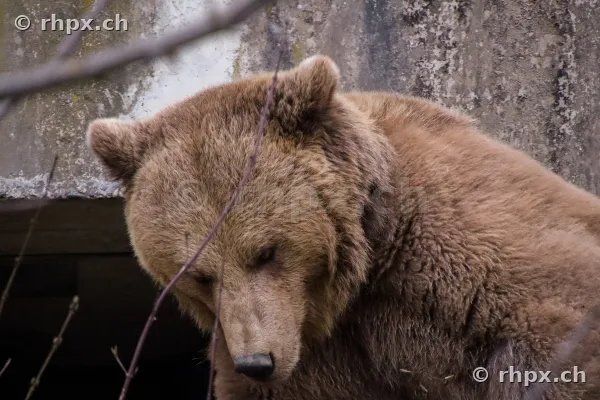 400 mm · f/6.3 · 1/500 s · ISO 6400
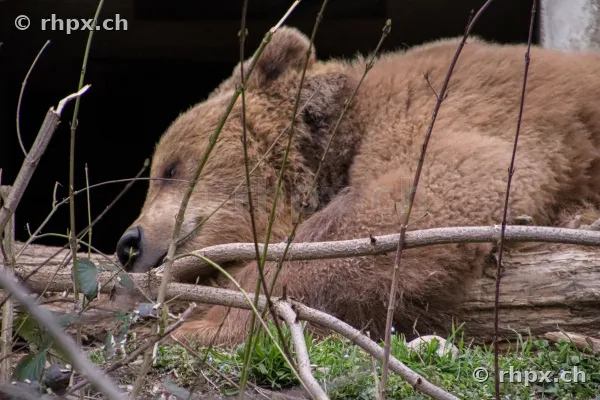 400 mm · f/6.3 · 1/400 s · ISO 6400
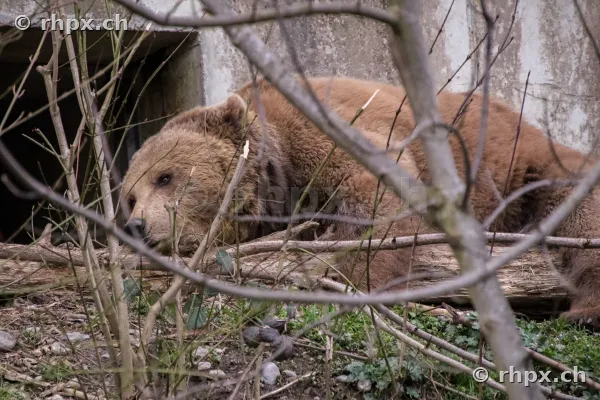 246 mm · f/6.3 · 1/640 s · ISO 6400
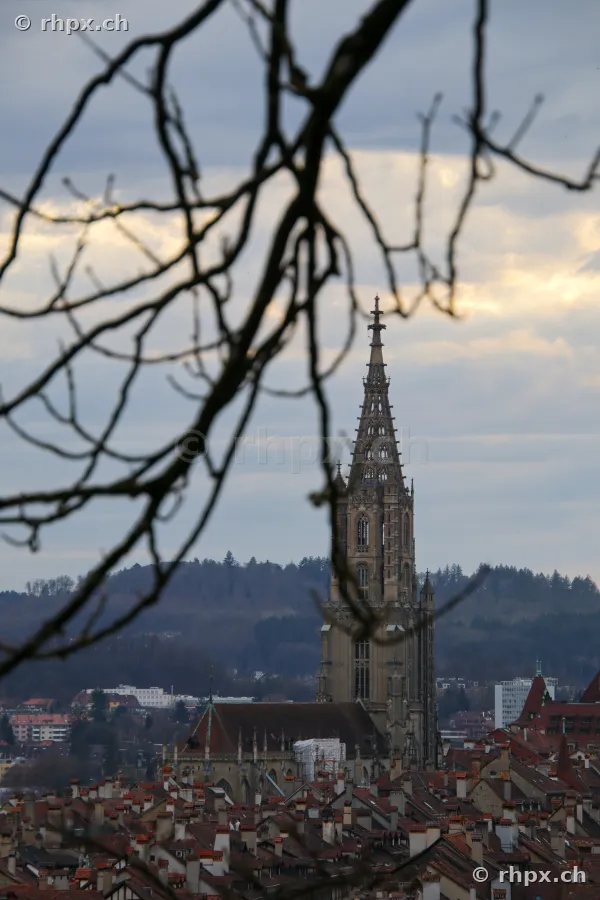 110 mm · f/5.6 · 1/500 s · ISO 250
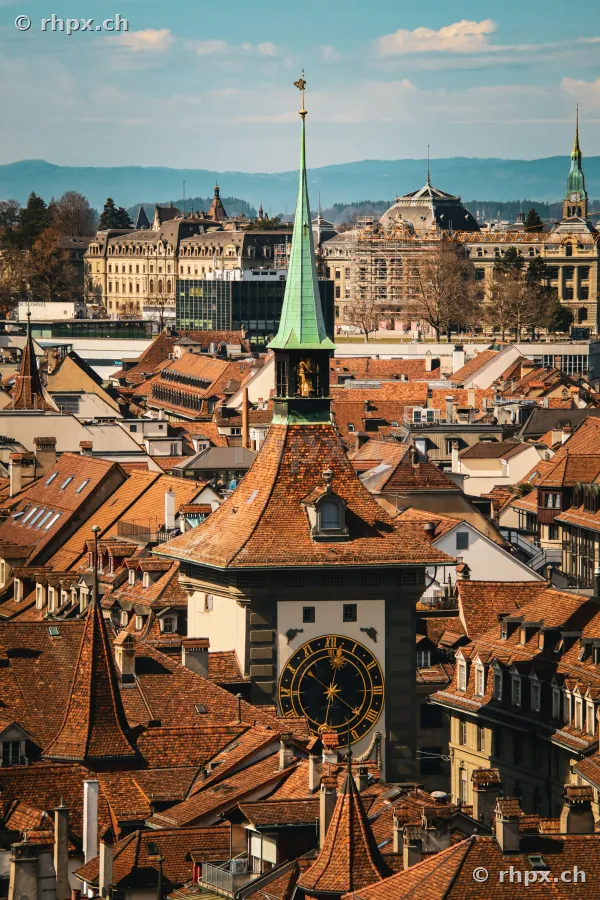 110 mm · f/10 · 1/1000 s · ISO 400
Related topics